



Getting around the last-mile logistics problem
Allan Jeffrey at Ultra Decking explains why achieving safe deliveries should be a strategic imperative for any retail business
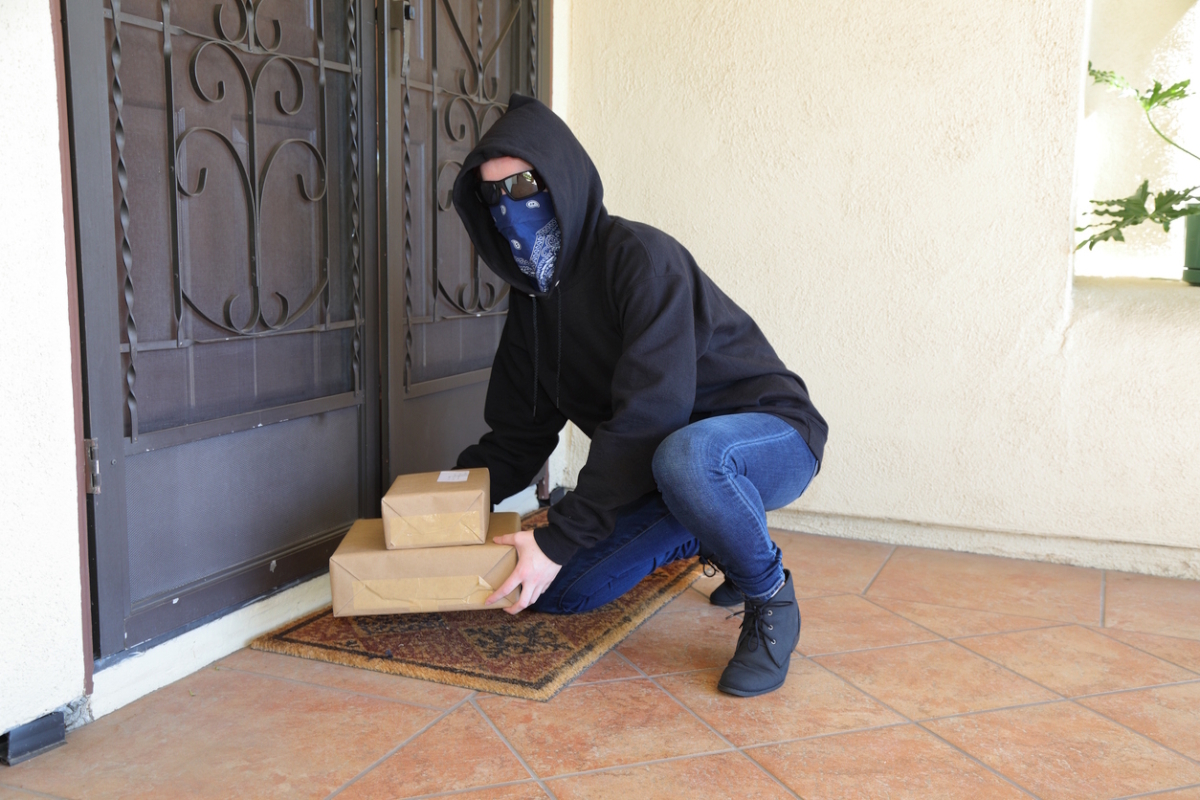
Your customer’s package has gone missing. It was handed to a neighbour who can’t be identified, or put in a “safe place” that wasn’t safe at all. It was left on the doorstep, a tempting prize, perhaps, for an unscrupulous opportunist. The tracking system shows the delivery as completed. The customer disagrees.
And so begins a process all too familiar. The customer contacts the retailer. The retailer contacts the carrier. The carrier opens a case which, over the course of the next days or weeks, moves through systems designed to process it, rather than to find a resolution. From the customer’s perspective, something was paid for that hasn’t arrived. From the perspective of the business, they’re left to shoulder responsibility for a problem that they didn’t cause.
Citizens Advice research shows that 37% of UK consumers experienced a problem with their most recent parcel delivery, and none of the UK’s largest carriers holds a four-star rating according to the same analysis. This low performance standard isn’t new or dramatic; it’s been the status quo for years.
Under UK consumer law, the contract is with the retailer. The customers can’t claim against the carrier, regardless of where the failure occurred. In the case of loss or theft, it is the brand which is obligated to resolve the problem. Carrier performance is aggregated across millions of deliveries, but retailer performance is judged constantly, and very often publicly. The carrier remains a background system. The retailer becomes the visible point of failure.
Most businesses respond by treating delivery as an operational issue. It sits with logistics, it’s measured through service levels, and it’s managed through contracts with third-party providers. When something goes wrong, it is escalated and tracked, and the assumption is that improvement will come from better supplier performance. But a delivery network can operate at scale with known inconsistencies, knowing that those inconsistencies will be absorbed by the businesses that depend on it.
The impact on businesses is internal and commercial. It affects customer retention, reputation, and the cost of acquiring new business. Those are not logistics metrics, and so delivery shouldn’t be considered a logistics problem.
The growth of doorstep theft, or porch piracy, has made this point even harder to ignore. What was once a rare occurrence has become an entirely plausible part of the customer experience. Different businesses respond in different ways. Some replace or refund without question. Others require investigation, evidence, or delay before acting. These are not operational decisions in the narrow sense. They reflect risk, cost, and customer relationships.
The companies that manage this well tend to act decisively early on. They treat delivery as part of the customer offer, not a function that sits invisible behind it. This approach then changes how an issue is handled. When something goes wrong, they prioritise resolution over attribution. Communication is proactive rather than reactive, and the customer isn’t expected to navigate the business’s internal structure to reach the right person for an answer.
None of this requires businesses to adopt new technologies or to buy in expertise. It only requires that the authority to act be provided to the right people, and that it can be exercised quickly as needed. A team empowered to resolve issues will do so immediately. A team that is required to follow a process designed to manage cost will do exactly that, and the difference in experience will be wholly obvious to the customer.
Because the cost of any single parcel going missing is relatively small, businesses tend to treat the issue as marginal. But at scale, costs become significant, and a poor experience by a vocal minority becomes a reputational risk. Customers abandon the brand permanently; negative reviews influence future market behaviours, and word of mouth travels.
These outcomes are often underweighted. They aren’t spotlighted in reporting; their complexity means they aren’t discussed in planning meetings. But they determine performance at a fundamental level, and as e-commerce volumes increase, so does the exposure.
The current delivery ecosystem is never going to be capable of eliminating delivery failure, and so the question is how businesses should approach the inevitable loss. The answer certainly isn’t to treat the last mile as someone else’s responsibility, since doing so changes nothing and offers no hope of mitigating negative impact.
The choice is a strategic one. Either delivery is treated as a controllable part of the customer experience, with the associated cost and accountability, or it remains an external dependency that continues to shape outcomes without being directly managed. Shifting the issue from operations into leadership won’t miraculously prevent losses on the ground, but it will change how quickly, decisively and successfully the business responds when those losses occur.
Allan Jeffrey, founder and CEO of Ultra Decking
Main image courtesy of iStockPhoto.com and AvailableLight

Business Reporter Team
You may also like





Most Viewed


Winston House, 3rd Floor, Units 306-309, 2-4 Dollis Park, London, N3 1HF
23-29 Hendon Lane, London, N3 1RT

020 8349 4363

© 2025, Lyonsdown Limited. Business Reporter® is a registered trademark of Lyonsdown Ltd. VAT registration number: 830519543