


The 60 day payment cap
The UK’s 60-day cap won’t fix late payments on its own, argues Sofia Milford at Corpay UK


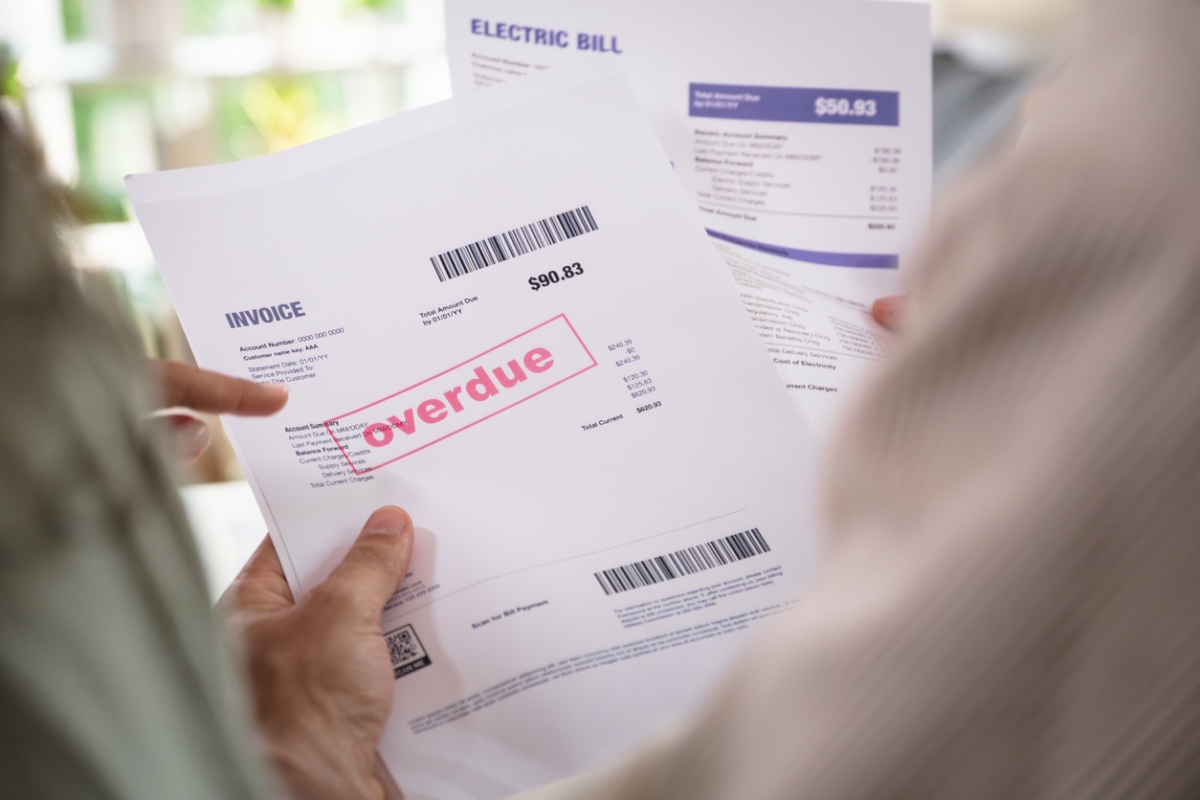
The introduction of a proposed 60-day cap on payment terms marks an important step towards fairer payment practices. But while legislation can set limits on how long businesses have to pay their suppliers, it can’t guarantee that payments will arrive on time – that depends on what happens once an invoice enters the finance process.
The Commercial Payments Bill has completed its passage through the House of Lords and is now awaiting its second reading in the House of Commons. If passed, it would introduce a 60-day maximum payment term for commercial contracts within its scope, with limited exemptions. It would also make interest on late payments mandatory, strengthen the powers of the Small Business Commissioner and increase reporting expectations for large businesses.
These measures represent an important shift in the UK’s approach to late payments, putting clearer boundaries around what businesses can expect. But legislation is only part of the solution. The real test will be whether businesses can translate these requirements into consistent payment performance. Ultimately, paying suppliers on time is not simply a matter of agreeing the right terms but having the finance processes, visibility and controls in place to deliver on them.
Terms and performance are separate measures
Payment terms answer one question: when should an invoice be paid? Payment performance answers another: was it actually paid by then?
A business can agree 30-day terms and still pay on day 50. It can agree 60-day terms and pay on day 61. The proposed cap changes the first number but the second number is where supplier relationships, cash flow and finance-team credibility are decided.
Under the current rules, businesses can agree payment terms beyond 60 days in some private-sector contracts, provided the extension is agreed and not grossly unfair to the supplier. The proposed Bill would narrow that flexibility. The reasons invoices are paid late sit elsewhere, in the process between receipt and payment. That distinction matters because late payment remains a substantial problem, with research commissioned by the Small Business Commissioner estimating that it costs the UK economy approximately £11 billion a year.
Good Business Pays’ Spring 2026 Late & Slow Payment Watchlist, based on companies’ own statutory payment reports, found that businesses on its watchlist paid more than £8.75 billion of invoices late between June and December 2025. More than £5 billion of that total related to invoices where no dispute was reported. In the same period, 122 companies reported paying at least 70% of their invoices late.
The figures show outcomes, but the reasons behind individual delays will vary. The undisputed share points to where much of the problem sits: in the handling of invoices nobody has challenged.
Anyone working in accounts payable will recognise the more familiar causes. An invoice arrives without a purchase order. It cannot be matched. It is sent to the wrong approver, or an approver is unavailable. A query is raised too late, ownership is unclear, or an approved invoice misses the next payment run.
Each of those failures sits in the finance process, downstream of the contract.
Why the Bill goes beyond the cap
The wider package of reforms recognises that payment terms are only part of the issue. Alongside the 60-day maximum, the Bill would introduce mandatory interest on late payments at 8% above the Bank of England base rate, give suppliers the right to claim a fixed sum where a purchaser raises a dispute late or without sufficient information and strengthen the powers of the Small Business Commissioner.
Together, these measures address three different issues. The first is terms: what the contract allows. The second is payment performance: whether invoices are actually paid by the agreed date. The third is operational control: whether finance can see, manage and resolve issues before an invoice becomes overdue.
The 60-day cap is strongest on the first. Sustainable improvement depends on all three and that is where the focus needs to shift from what the legislation requires to how finance operations deliver against it.
60 days is the outer limit
The Fair Payment Code offers a useful benchmark for understanding what good payment behaviour looks like in practice, setting expectations that go beyond the proposed legislative minimum. Its Gold Award expects at least 95% of invoices to be paid within 30 days, while Silver and Bronze recognise businesses that consistently pay at least 95% of invoices within 60 days, with Silver also requiring faster payment to small businesses.
Gold sets expectations well inside the legal maximum and Silver does the same for payments to small businesses. Finance leaders should be cautious about allowing a 60-day ceiling to become an automatic 60-day commercial policy, particularly where shorter terms are practical and have been agreed with suppliers.
Implementation will matter
The government’s consultation results show why the impact will vary, with 73% of micro businesses and 70% of small businesses agreeing that a 60-day maximum would be effective in addressing long payment times. Among large businesses, however, just 44% agreed, while 47% disagreed.
The cap remains necessary and the split shows that its practical implications will differ by organisation. Some will need to revisit supplier contracts, forecast the working-capital effect of paying sooner and adjust how they manage payment runs. Others already operate comfortably within 60 days and still need better data and controls to demonstrate that performance consistently.
The operational work starts now
For finance leaders, the immediate question is whether the business can reliably pay on time once terms are tighter. Answering it means understanding which supplier contracts currently sit beyond the proposed limit, where invoices most often stall and what faster payment would mean for working capital and cash forecasting. Finance teams also need to be able to evidence their payment performance with accurate, accessible data. The aim is to know, invoice by invoice, what is due, what is blocked, who owns the next action and when cash will leave the business.
A connected AP and supplier-payment process gives finance teams that visibility: routing invoices to the right people, surfacing exceptions early, scheduling payments deliberately and maintaining a clear audit trail. That creates more control over cash while giving suppliers the certainty they need.
The 60-day cap would reset the legal boundary. The bigger opportunity is to reset the operating standard: make payments predictable, resolve problems early and ensure suppliers are paid as agreed.
Sofia Milford is Product Marketing & Brand Director at Corpay UK, the global spend management company
Main image courtesy of iStockPhoto.com and Weedezign

Related Content
Supply Chain Talk
view all
Humans, AI and robots - Who will lead the supply chain of tomorrow?

From Retail AI Ambition to Retail AI at Scale
Winston House, 3rd Floor,
Units 306-309, 2-4 Dollis park,
London, N3 1HF
020 8349 4363
© 2026, Lyonsdown Limited. teiss® is a registered trademark of Lyonsdown Ltd. VAT registration number: 830519543