



Solving the digital skills crisis
Alf Franklin at Elastic argues that the digital skills crisis isn’t a hiring problem: it’s a capability problem


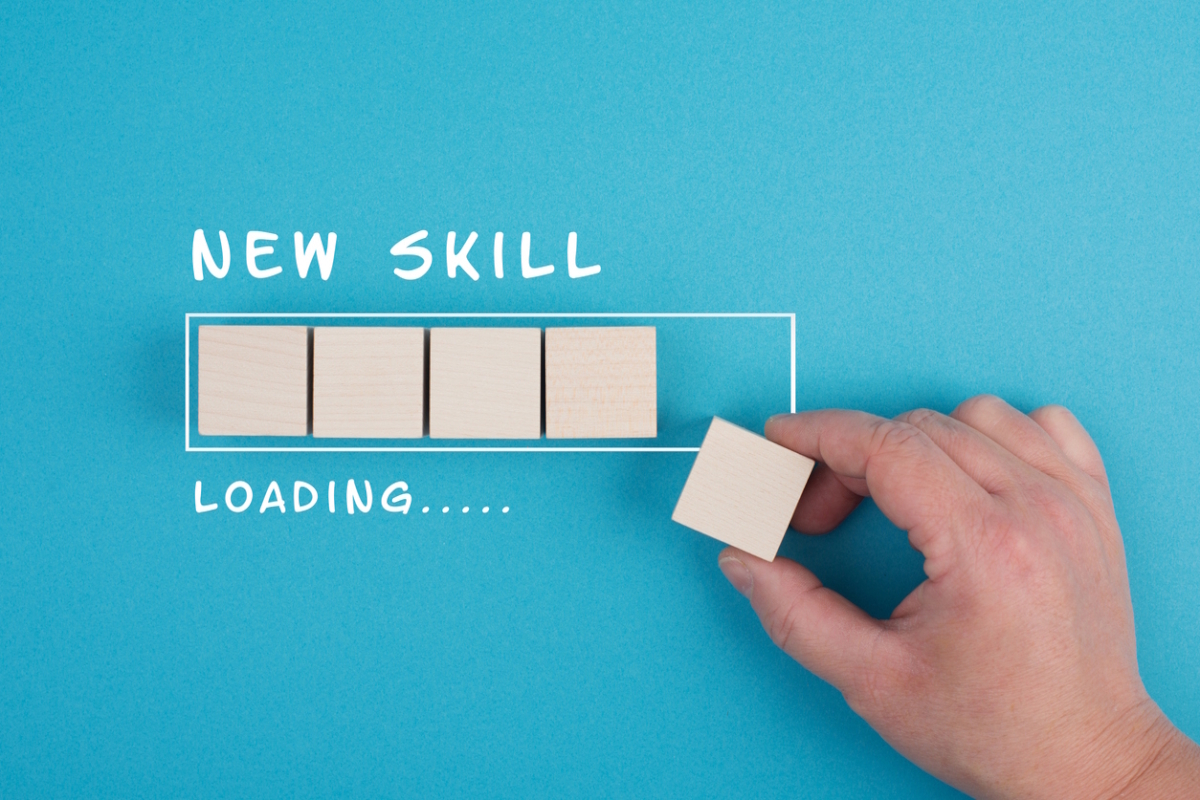
AI did not create the global digital skills shortage, but it has exposed it. Demand for specialists in AI, cyber-security and cloud engineering continues to outstrip supply. Skills England projects that priority occupations in the UK will grow 15% by 2030, with digital and technology jobs expected to have the second-largest growth in demand. For many organisations, reliance on external hiring to fill that gap is becoming both expensive and structurally limiting.
But the challenge extends well beyond specialist roles. As AI becomes embedded across nearly every organisational function, the capability gap is filtering into occupations that would not traditionally have been considered digital. From policy professionals and communications teams to operational managers and finance leaders, the expectation that they can work effectively alongside AI tools, understand data outputs and build workflows of their own is rising fast. Digital fluency is becoming a baseline requirement, not a specialist one.
A shift already underway
In the UK, this transition is already visible. Initiatives such as CyberFirst apprenticeships, technical bootcamps and digital skills programmes reflect a growing national effort to strengthen the pipeline of talent. Recent reforms to the Growth and Skills Levy, including new short courses in digital and AI and a Level 4 AI apprenticeship, add further flexibility for employers.
However, national programmes alone will not close the gap. Digital resilience is ultimately built inside organisations, through how capability is developed, shared and applied in practice. Technology investment and workforce capability are inseparable; without the right skills, even the most advanced systems fail to deliver operational value.
Technology depends on human capability
This is influencing how organisations think about the technologies they adopt. Open source is a case in point. Beyond the operational benefits of flexibility and interoperability, open ecosystems actively support workforce capability-building. Working within open source environments exposes teams to collaborative problem-solving, community-driven development practices and transferable technical skills that move with individuals across roles and organisations, reducing the risk of capability becoming tied to a single vendor’s tooling or roadmap.
That dynamic is becoming more significant as agentic AI enters the workplace. AI-assisted tools are already accelerating productivity and lowering barriers to technical work, enabling employees to build, test and iterate faster than traditional development cycles allow.
But this also raises the stakes for what organisations need their people to understand. Agentic AI can generate outputs and surface insights rapidly; what it cannot do is guarantee that those outputs are accurate, contextually sound or grounded in high-quality data. Without the skills to interrogate and challenge AI-generated results, organisations risk creating workforces that rely on automation without fully understanding its limitations.
Employees who understand the data layer, how information is structured, governed, retrieved and secured, will be the ones able to work with AI effectively rather than work around it. Organisations still need people capable of validating outputs, identifying weak or misleading results and applying human judgement where AI falls short. Otherwise, overreliance on AI tools weakens the very learning and critical thinking capabilities organisations are trying to build.
Unlocking capability inside organisations
The most overlooked opportunity lies within existing workforces.
Organisations can use cross-functional mobility, secondments and collaborative delivery models to spread expertise beyond specialist silos. These approaches embed knowledge across teams and organisations, rather than concentrating capability within isolated technical groups. Many large-scale public sector transformation programmes already operate this way, bringing together policy experts, technologists, operational leaders and analysts in multidisciplinary teams to solve complex challenges.
Hands-on learning proves most effective when it is continuous and embedded in daily work. Employees across functions, not only technical ones, are building fluency by using AI tools in operational contexts, experimenting with AI-assisted workflows in governed environments and, increasingly, developing lightweight tools tailored to their own areas of work. In marketing, operations, policy and beyond, this is shifting capability development from a specialist concern into a workforce-wide one.
Open-source technologies are helping accelerate this shift by giving organisations and employees the opportunity to test and learn advanced technologies without significant upfront investment or vendor dependency. This lowers the barrier to experimentation, enabling teams to build practical understanding and confidence before committing substantial budget or procurement resources.
This matters because effective use of AI in day-to-day work is not just about tool proficiency. It increasingly depends on employees understanding the business context they operate in, what their organisation is trying to achieve, and what “good output” actually looks like. Without that grounding, AI risks becoming a generic productivity layer rather than a meaningful and intrinsic performance accelerator.
The organisations that close the gap between technical fluency and contextual judgement – knowing not just how to use AI, but whether its outputs are fit for purpose – are the ones most likely to extract lasting value from it.
Capability as a strategic asset
Ultimately, organisations that succeed in the coming decade will treat capability a core strategic asset.
Developing internal skills, improving collaboration and investing in digital fluency will not eliminate global talent shortages, but it will determine which organisations can continue to operate and adapt despite them. Increasingly, that means being deliberate not only about how people learn, but about what they learn on, ensuring technology choices build transferable, infrastructure-level understanding rather than surface results that mask fragile foundations.
For the UK, this has wider significance. Reforms to the Growth and Skills Levy and the work of Skills England signal a shift toward more responsive training models. However, policy alone is not sufficient.
Strengthening internal capability across both the public and private sectors will be essential to the UK’s ambitions for technological leadership, economic growth and national resilience. That work starts with the talent already in the room.
Alf Franklin is Head of Public Sector International at Elastic
Main image courtesy of iStockPhoto.com and BeritK

Business Reporter Team
You may also like





Most Viewed


Winston House, 3rd Floor, Units 306-309, 2-4 Dollis Park, London, N3 1HF
23-29 Hendon Lane, London, N3 1RT

020 8349 4363

© 2025, Lyonsdown Limited. Business Reporter® is a registered trademark of Lyonsdown Ltd. VAT registration number: 830519543