



Are Gen Z really so very different?
Jeremy Swinfen Green (very much a Baby Boomer) questions the assumptions many make about Generation Z and explores the extent to which they are different from people of his own age



Generation Z, the cohort born between 1995 and 2012, are often portrayed as radically different from previous generations, especially because of their tech-savvy nature and social values.
According to Deloitte “this generation has an entirely unique perspective on careers and how to define success in life and in the workforce.” If that is true, then understanding them is clearly important. While the youngest members of Gen Z are still at school, many are established in the workplace and well on their way to junior and middle management positions. As such, their influence on workplace culture extends both up towards senior management and down to the shop floor.
But how far do the attitudes shown by Gen Z reflect a totally new generation, and how far are they merely a function of relative youth? If the latter, then we can expect to see Gen Z mindsets morphing into those of Millennials, Gen X and even Boomers as time progresses. And if the former – if Gen Z really are different – then is that a good thing?
Values, purchase behaviour and brand loyalty
Let’s start by looking at some of the similarities. We are told that Gen Z are shrewd when it comes to making important purchases. They look for quality, durability and products that meet their needs. (Are Boomers any different?) But the price has to be right, which is why cashback apps and promo codes drive their purchasing behaviour. In the same way, Boomers are driven by coupon-clipping, multi-purchase and loyalty cards. Different generations, same goal, different tools. TLDR: everyone likes a bargain!
Okay, but Gen Zers are immune to brand loyalty, aren’t they? After all, only 55 per cent of under-30s consistently buy the same brand, compared with 66 per cent of the over-thirties. There is a (small) difference here. But Gen Z can be very loyal if a brand aligns with their values. Tesla, for example, appealed strongly to Gen Z until recently, because of its combination of brand values reflecting innovation, luxury and sustainability. However, even strong loyalty can fade given the right circumstances, as current events show.
Loyalty has always been partly emotional. For Gen Z, the emotional triggers might include ethics. Boomers, the argument goes, are more swayed by nostalgia or status. But ethics drove Boomer behaviour when they were younger too. For example, anti-apartheid supporters campaigned to force Barclays to withdraw from South Africa from 1970 until the bank pulled out in 1986. That’s not so different from today’s campaigns against Barclays that relate to Gaza and the West Bank.
In fact, it is affordability rather than values that drives most purchase behaviour of people under 30. 62 per cent of Gen Z say affordability is important to their purchase decisions, compared with 53 per cent of the general population. If people under 30 have less money than older people, that is scarcely surprising.
But, the argument also runs, “brand authenticity, transparency and sustainability are higher priorities for this age cohort than for older consumers.” Leave aside the problem that what people say in surveys often differs from what they do in real life: perhaps the life stages of the over-30s (married, with a mortgage and children…) mean that the luxury of preferring brands that communicate their ethical virtue is not so open to them. Will Gen Z feel the same way about making “the right choice” when money (and free time) is short?
Another commonly cited difference is the way that Gen Z falls back on the opinions of trusted third parties and online trends. Boomers, who never had the opportunity to use the internet when they were younger, rely instead on the opinions of family and friends. Perhaps these days they also factor in online reviews (generally taken with a pinch of salt). But they are less likely to be swayed by “influencers”, most of whom they realise are paid to have opinions favourable to a particular brand. And they have the confidence to make up their own minds about what to buy, rather than following online trends.
In addition, younger people are still experimenting with their brand choices. Older people may have learned from experience that certain brands are not for them, whatever their ethical positioning and price point.
Devices, impatience and convenience
There are, of course, some differences between the generations that are significant and that may well persist as the different cohorts age. Gen-Z shoppers use a phone while shopping 1.5 times more often than Boomers do, looking for offers and checking reviews. This is likely to be a habit that will persist. And 74 per cent of Gen Z prefer shopping on phones over other devices. Gen Zers embrace mobile payments and digital wallets to make purchases, far more than more cautious Boomers do. These are differences that retailers need to respond to if they wish to maximise their audiences.
Another interesting difference between the generations is convenience. 82 per cent of shoppers say convenience is extremely or very important to them. For millennials, this number jumps to 87 per cent, while for boomers and older generations the number falls to 77 per cent. These aren’t massive differences and perhaps reflect a slightly greater flexibility among older shoppers, some of whom may have more time available to them.
Closely related to convenience is impatience. 45 per cent of Gen Z prioritise fast shipping as a key reason for choosing a brand. Additionally, 48 per cent of Gen Z respondents indicated they would be willing to pay a premium for faster delivery. But are supposedly laid-back Boomers so very different? Not necessarily. In his book The Time to Win, Jay Baer explains that “Baby Boomers are the LEAST patient generation. Gen Z is the MOST patient generation.” The lesson here for retailers is: give everyone options because speed and convenience are luxuries only some people will pay for.
Luddites or tech-savvy consumers
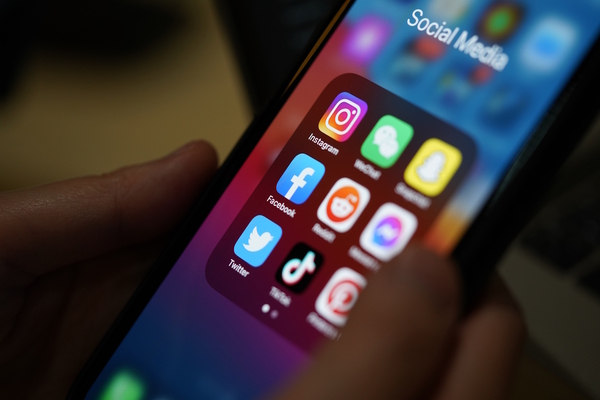
Of course, Gen Z is the most tech-savvy of generations. They are the first people to grow up with the internet from birth. It’s a truism that Gen Z excels in navigating social media platforms, content creation and leveraging online communities. They are adept at using smartphones and apps for many tasks, from communication to entertainment. They type with their thumbs, use their phones for twice as long as Boomers, and never use ellipses…
Basically, they are cool. But how useful are their tech skills? In the workplace, many Gen Z individuals struggle with traditional office software such as Microsoft Excel, Word and Outlook. Gen Zers are three times more likely to fall victim to online scams, compared with those aged 55 and above, indicating a surprising naivety about cyber-security. Only 19 per cent of them can work independently with computers to gather information and to manage their day-to-day tasks. In other words, today’s young adults may be digital natives, but they aren’t even close to being digitally literate.
The truth is that Gen Zers are humans. And so are Boomers. Both are driven largely by the same motivations. They behave in similar ways, and many of the differences between the generations are simply down to age and stage of life. Yes, experience does play a part, which is why Gen Z demonstrates remarkable proficiency in certain digital domains, particularly those centred around mobile technology and social media. But older generations possess a broader and more comprehensive set of technical skills, often hard learned at work, which people new to the workplace have still to learn.
Any business that believes that Gen Z is somehow different should take great care. While catering for the preferences of younger consumers, such as mobile-first shopping, is important, altering commercial strategy to focus purely on the way Gen Z behave at the moment is likely to be a fatal mistake. People are people: some behave one way and some behave in another. The only path to success is to offer different options that please as many of them as possible.

Jeremy Swinfen-Green



Related Articles

Most Viewed


Winston House, 3rd Floor, Units 306-309, 2-4 Dollis Park, London, N3 1HF
23-29 Hendon Lane, London, N3 1RT

020 8349 4363

© 2025, Lyonsdown Limited. Business Reporter® is a registered trademark of Lyonsdown Ltd. VAT registration number: 830519543