


Why AI search is getting harder to game, in every language
AI search engines are seeing through the shortcuts created by marketing professionals and beginning to create their own discovery systems. Eugène Ernoult at Weglot explores why GEO search is getting harder to game


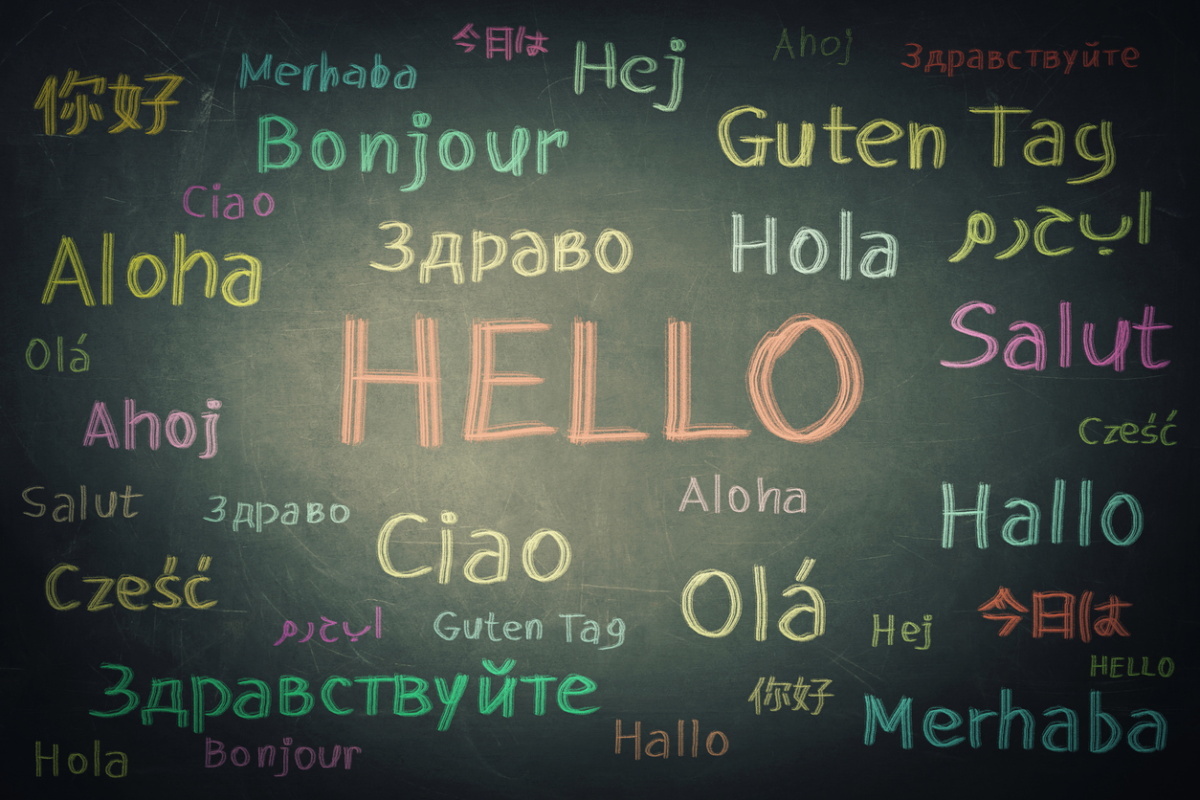
AI-powered search tools such as ChatGPT and Google AI Overviews are changing how people discover information. Generative engine optimisation (GEO) is the practice of making a business’s content more likely to feature in the answers these systems generate.
Quick GEO wins can be tempting. Technical tweaks and refreshed high-traffic content may improve an organisation’s chances of being cited, but there is no shortcut to genuine multilingual content. Simply adding a language switcher or translating a handful of pages does not give customers the depth of information they need in their language. Organisations need to address these content gaps if they want to be discoverable across languages.
New research from Weglot, conducted by AI Search agency Ellipsis, illustrates the importance of multilingual content. The study analysed more than one million citations across Google AI Overviews, ChatGPT and Claude. Researchers tested equivalent questions in English and Spanish in Spain and Mexico, then checked whether cited websites covered each topic in both languages.
Websites covering a topic in both English and Spanish had an average citation rate of 22.9 per cent, compared with 11.6 per cent for sites covering it in only one language – a 98 per cent higher citation rate. Simply having a multilingual website wasn’t enough; higher citation rates were associated with meaningful coverage of a topic in both languages.
What’s particularly interesting is how this compares with our research from last year. In 2025, simply having a translated website was linked to greater AI visibility. This year, we didn’t see that same clear advantage on Google AI Overviews or ChatGPT. The difference appeared when the topic itself was covered in both languages. Our read is that AI platforms are becoming better at assessing whether a source actually has the relevant content to answer a question, rather than rewarding multilingual presence alone.
Language and sources matter
AI platforms tend to favour sources that match the language of the query. In the study, 95 per cent of identifiable citations for Spanish-language questions linked to Spanish-language pages, while 77 per cent of identifiable citations for English-language questions linked to English-language pages. This suggests that language influences which sources AI platforms select. Businesses should therefore make their information available in the languages their customers use.
However, matching the language of the question is only part of the picture. On ChatGPT, websites covering the same relevant topic in both English and Spanish were cited 2.5 times as often for Spanish-language questions as those with Spanish-only coverage – 21.8 per cent versus 8.7 per cent. Both groups already had Spanish content, suggesting that the depth of topic coverage is also important.
These findings show an association rather than proving that adding a second language automatically leads to more citations. Nevertheless, they suggest that comprehensive coverage gives AI systems more relevant material to draw on when generating answers.
The strength of this association also varies by platform. Across the study, websites covering topics in both languages had almost three times the citation rate of those covering them in only one language on ChatGPT, compared with 1.8 times on Google AI Overviews and 1.6 times on Claude. This suggests there is no one-size-fits-all GEO formula.
There are also differences in the types of sources individual AI platforms cite. According to separate research by Profound, company-owned websites, such as corporate sites, product pages, company blogs and documentation, made up 47 per cent of ChatGPT citations, compared with 69 per cent on Google Gemini. In contrast, third-party editorial coverage and other earned-media sources accounted for 30 per cent of ChatGPT citations, and only 17 per cent on Google AI Overviews.
Move from translated pages to useful coverage
These findings have practical implications for how businesses should approach GEO. Marketing teams must look beyond counting translated URLs, identify the questions customers ask in each priority market, and ensure their websites provide complete, up-to-date answers in the languages they use. They should then track whether these improvements translate into greater visibility, including whether AI platforms begin citing those pages in responses for priority markets.
A translated homepage or product overview is unlikely to be enough. Comparisons, service information, implementation guidance, FAQs, case studies and articles help build a more complete picture of a topic. Businesses should prioritise customer needs and areas where they have established expertise.
The translation itself should make sense to the local audience. Directly converting English copy can introduce unfamiliar terminology, irrelevant examples or references to regulations and processes that don’t apply in other markets. Localisation adapts content to meet the same need in a way that seems natural and useful.
There are technical basics to get right, too. Each language version needs its own web address, and the website should make clear to search engines which language each page is intended for. Page titles and descriptions should also be translated. These steps help search engines identify and present the right version to the right audience, but they cannot compensate for gaps in the content itself.
And translated pages need the same attention as the original. When a product or service changes, those updates should be reflected in the other language versions too. Otherwise, customers may find information that no longer reflects what the business offers, and AI systems may pick up those outdated details.
GEO will continue to evolve as answer engines develop. Businesses cannot control which sources a model selects for every query, but they can ensure each language version offers the depth, accuracy and relevance customers expect in that market. The aim is not simply to be visible in more languages, but to be genuinely useful in them.
Eugène Ernoult is Chief Marketing Officer at Weglot
Main image courtesy of iStockPhoto.com and Bulat Silvia

Related Content
Supply Chain Talk
view all
Humans, AI and robots - Who will lead the supply chain of tomorrow?

From Retail AI Ambition to Retail AI at Scale
Winston House, 3rd Floor,
Units 306-309, 2-4 Dollis park,
London, N3 1HF
020 8349 4363
© 2026, Lyonsdown Limited. teiss® is a registered trademark of Lyonsdown Ltd. VAT registration number: 830519543