



Fast code, fragile systems – the dangers of unchecked AI acceleration
Joe Byrne at LaunchDarkly explores AI-driven outages and describes what robust contingency planning for downtime should look like


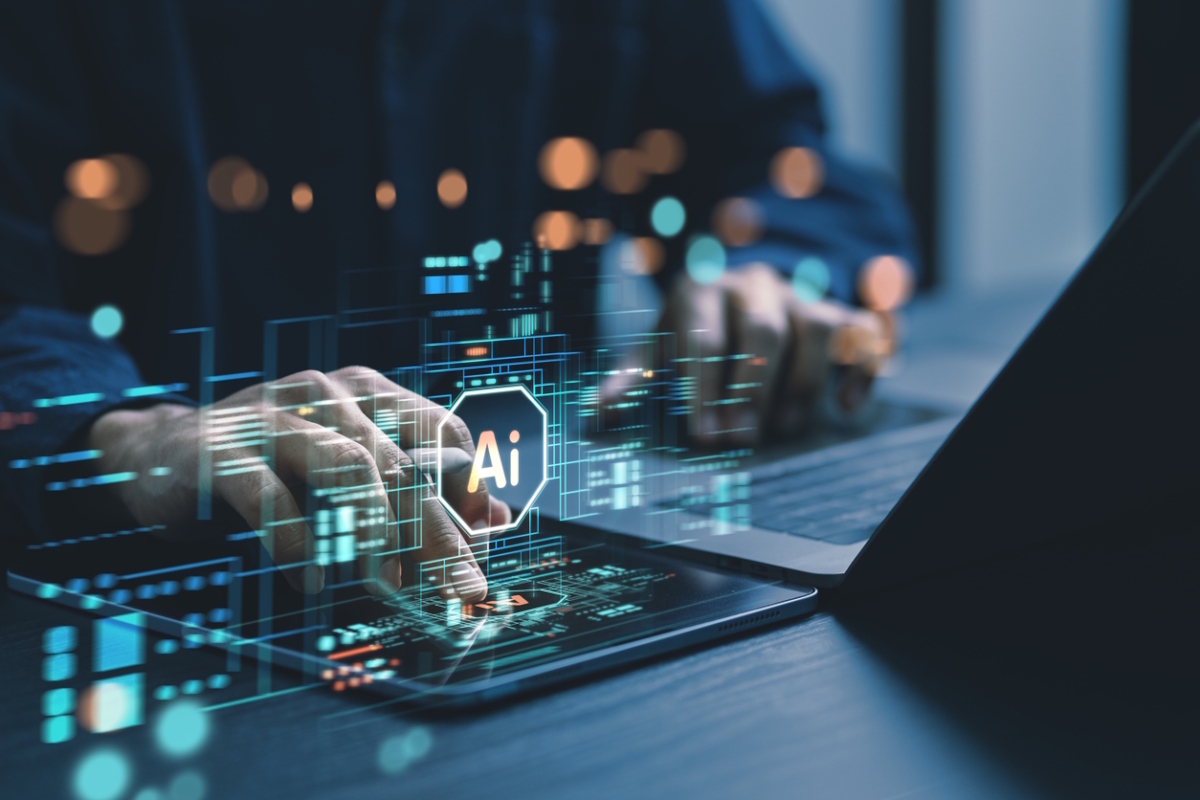
Like it or not, we live in a time where a single point of failure can throw established processes into chaos. This is not new – there is plenty of precedent with stories of misconfigured databases or severed cables – but the consequences are becoming greater. A minor fault can now cascade into widespread disruption, taking down everything from financial systems to emergency services.
What has changed is the speed and scale at which these failures now propagate. In October 2025, for example, an AWS outage disrupted enterprise systems worldwide, taking down ‘traditional’ applications and widely used AI services such as Claude and Perplexity. More recently, a Meta AI agent instructed an engineer to implement a change that inadvertently exposed large volumes of sensitive internal data, triggering a major security alert and once again underlining how quickly AI-driven errors can escalate.
Why is this happening? Part of the answer lies in market dynamics. When so much of the digital economy relies on a small number of providers, concentration risk is inevitable. But that’s only half the story. Strained DevOps teams are now shipping code faster than ever, often with fewer resources, tighter deadlines and growing reliance on AI-generated code.
The widening control gap
The AWS outage and incidents like that at Meta are particularly instructive, sitting at the intersection of these trends. Both exposed how deeply AI-driven applications are embedded in everyday operations, and how quickly they fail when the foundations beneath them falter. It was a clear demonstration that, if engineers allow agentic tools to make and ship changes without any meaningful oversight, accidents and outages are only likely to increase. While the technology has dramatically decreased the time it takes to write and release code, it has also amplified risks for teams dealing with faster delivery cycles.
We saw this in our latest AI Control Gap report. AI is clearly accelerating delivery across teams, but that speed may be coming at a cost. In fact, 94% of teams say AI is speeding things up, yet 81% admit they’ve knowingly shipped risky code under deadline pressure in the past year. The combination of faster output paired with compromised oversight is concerning.
If AI deploys changes without strong guardrails or human accountability, what may seem like small errors, misconfigurations or insecure patterns can propagate instantly across highly interconnected systems and cause widespread disruption.
What can we do next?
When software delivered at speed becomes expected, control is critical. Without progressive rollouts, automated testing, real-time monitoring and clear human accountability, companies could unintentionally flood their own environments with insecure or unstable code.
The lesson for companies is certainly not to slow AI adoption. Instead, AI-generated changes must be treated with the same level of scrutiny as human-written code. At a time when so many sectors are increasingly relying on agentic systems, knowing how to prevent errors early and contain failure if or when it happens should be a top business priority. Best-in-class contingency planning builds control directly into how software is released and managed in real time.
This begins by limiting the blast radius. Progressive rollouts ensure that new features are exposed to small, controlled segments of users first, rather than entire systems at once. If something goes wrong, the impact is contained. Closely linked to this is the ability to roll back instantly. In enterprise environments renowned for being fast-moving, the difference between a minor incident and a major outage is marginal, often coming down to whether teams can disable or reverse a change in seconds or hours. However, one of the most telling findings from our research is that while 99% of teams report having runtime guardrails in place, nearly seven in ten are still forced to roll back or hotfix production issues on at least a weekly basis. That’s a clear signal that the tools exist, but they are not being applied consistently or effectively when it matters most.
Real-time monitoring is essential, not just for visibility, but for control. Teams need to understand how changes behave in production as they happen, so they can catch anomalies early and intervene before small issues escalate. Just as importantly, human accountability must remain firmly in the loop. Recent outages have shown that while AI can accelerate delivery, it cannot replace the contextual judgment required to assess risk.
Closing this gap requires a new mindset. Contingency planning must become an embedded, always-on discipline, where every release is observable, reversible and controlled by design. Equally important is the ability to act on that information immediately. Detection without response falls short; teams must be equipped to make changes quickly, whether that means disabling a feature, adjusting a rollout, or reverting a release entirely. Without that foundation, even the most advanced platforms - now woven into everyday life - can be brought down by the smallest missteps.
As software becomes ever more embedded in everyday life, the cost of getting this balance wrong only grows. The teams that succeed won’t be the ones that move fastest, but the ones that can move fast and stay in control – pairing the speed of AI with the judgement, accountability and resilience that only humans can provide.
Joe Byrne is Global Field CTO at LaunchDarkly
Main image courtesy of iStockPhoto.com and WANAN YOSSINGKUM

Business Reporter Team
You may also like


Most Viewed


Winston House, 3rd Floor, Units 306-309, 2-4 Dollis Park, London, N3 1HF
23-29 Hendon Lane, London, N3 1RT

020 8349 4363

© 2025, Lyonsdown Limited. Business Reporter® is a registered trademark of Lyonsdown Ltd. VAT registration number: 830519543