



Data centres are creating the next AI-energy dilemma


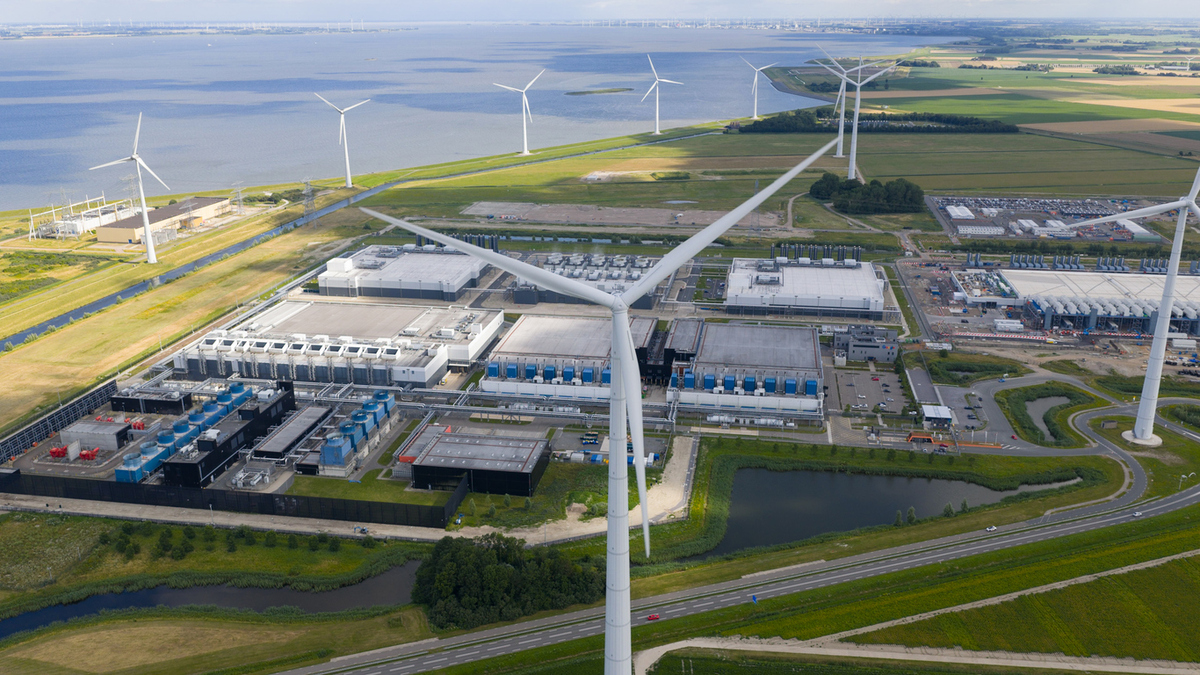
Data centres are major hotspots when it comes to electricity use and demand. Energy planners and developers are increasingly focusing on ensuring that the right infrastructure is in place to support this.
However, there has been a surge in demand for data centres, as a result of the rapid increase in the demand for big data and the ascendence of AI. Indeed, there are millions of people and organisations directly and indirectly using multiple AI systems today, which is creating a need for more data centres to feed these systems.
In 2024, electricity consumption from data centres was estimated to be around 1.5 per cent of total global electricity consumption. This represents a 12 per cent year-on-year growth for the previous five years, according to the IEA. With more data centres being developed and their electricity consumption increasing significantly, energy and electricity infrastructure deployment is taking a significant length of time to be planned and become operational. Crucially, it is not catching up to the consistent growth of these data centres. As a result of this huge demand, there is a gradual and sustained strain being placed on current and planned energy infrastructure.
This strain is becoming more visible because the energy grid needs to also focus on getting capacity to urban areas, industry and transport sectors. Even though the electricity grid is growing gradually, with transmission lines and interconnectors evacuating required electricity from energy farms and producers, their deployment rates have been quite slow, typically taking years. This means that these networks are unable to satisfy the demand from data centres and even other areas. Due to these factors, energy efficiency has been an increasingly important fallback to cut down demand in sectors wherever feasible through resource efficiency, innovative technology and behavioural use changes.
This is evident in the UK, where grid connections are being overwhelmed as demand for electricity often exceeds supply. Even though the energy generation sector is booming, the gap lies in connecting electricity from these producers to consumers, because transmission networks and interconnectors, which are supposed to do this, take much longer to deploy than the rate at which demand for them is increasing.
This is leading to a further delay in decision-making when it comes to which electricity/energy use area requires the connection, critically leaving demand hotspots to wait months, sometimes years, to connect to the grid. New data centres, buildings and industries are still emerging, adding to the demand and increasing the connection delay.
There has been increasing discussion about using the huge amount of heat that data centres generate to produce electricity, which can then be fed back into powering the centres themselves. In addition, because data centres require huge amounts of electricity, one approach has been to locate these centres close to energy production sources and grid infrastructure assets, similar to what would be done for a hospital or a manufacturing plant.
When it comes to grid planning and delivery, AI has a role to play in streamlining processes including design, engineering, construction and operations management. However, while design time could be reduced through AI use, this would still require significant involvement from experienced energy and engineering professionals to ensure quality of service.
This, in turn, feeds into better planning and leveraging of faster design. This ensures risks can be identified earlier and mitigated ahead of time using a wealth of lessons learned across industry projects.
AI can tap into this process as well, with a carefully curated and generous public or private sharing knowledge system among companies and organisations. Consistent collaborations between consultants, grid operators and data centre operators can enhance this process.
A crucial short-term win is AI-assisted optimisation of demand-side electricity use and a proactive forecast system that can allow efficient electricity dispatch from operations and network centres. Most importantly, this reinforced cycle of data centres powering AI systems could be useful in solving some problems faced by the grid in powering these centres.
With all these challenges, it is evident that climate targets and decarbonisation activities need to be actively worked towards. If harnessed well, AI could be an enabler in energy and data centre decarbonisation.
The expectation is that, by deploying AI in energy systems more broadly, professionals can use innovative approaches that scale and deploy the networks and systems required faster, reducing the gaps in connection and meeting demand faster. The grid is likely to evolve by using fewer resources due to a better match between energy supply and demand, which in turn can increase the capacity that can be delivered through better renewable integration.


Business Reporter Team
You may also like





Most Viewed


Winston House, 3rd Floor, Units 306-309, 2-4 Dollis Park, London, N3 1HF
23-29 Hendon Lane, London, N3 1RT

020 8349 4363

© 2025, Lyonsdown Limited. Business Reporter® is a registered trademark of Lyonsdown Ltd. VAT registration number: 830519543