



Adaptive sensing and the future of industrial autonomy


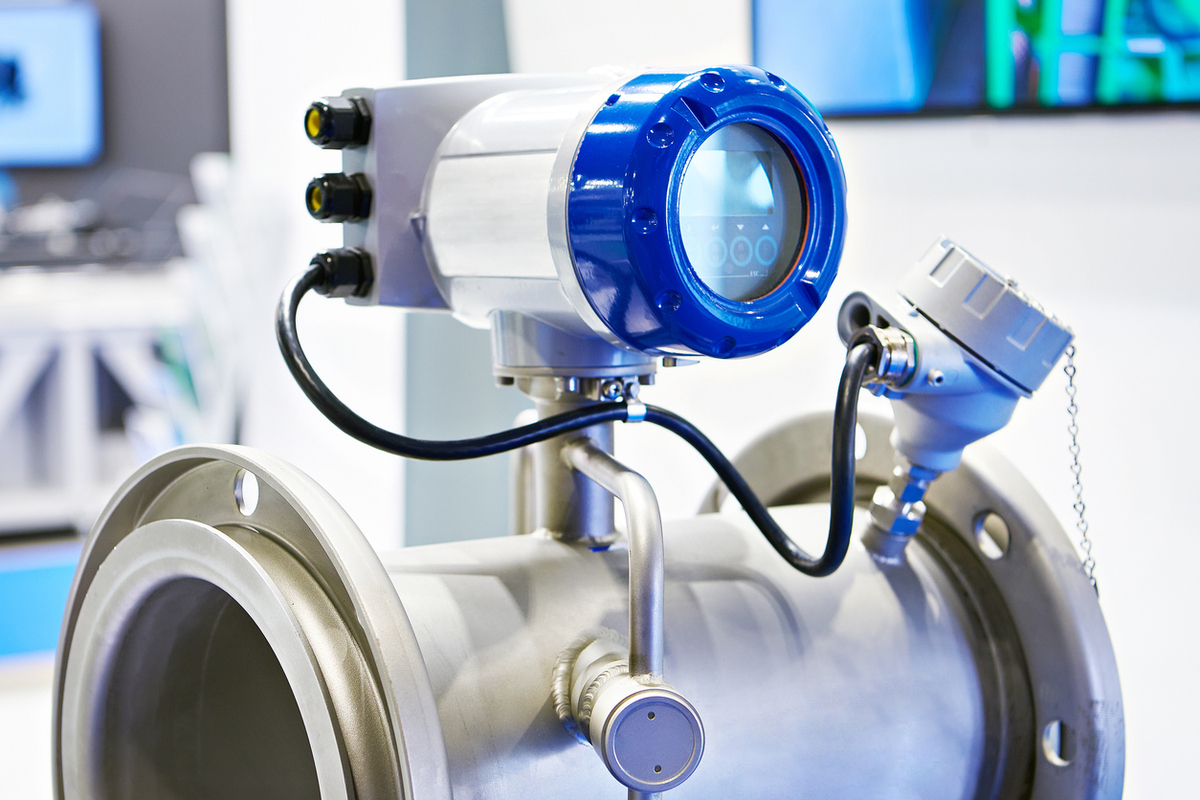
Smart acoustic and ultrasonic systems that can adjust and optimise to their environments are changing the way connected factories work. By rapidly reacting to their surroundings using a combination of physical triggers including sound or temperature, combined with artificial intelligence or machine learning algorithms, they can help reduce operational delays, boost reliability and keep machines connected – even in tough or fast-changing conditions. Physically adaptive sensing constitutes a major step towards more autonomous, efficient industrial operations.
Adaptive sensing and its applications
A key goal of achieving industrial and manufacturing autonomy is the reduction or elimination of human intervention in a wide range of industrial processes, eliminating associated error. Adaptive sensing, generally attributable to sensing capabilities for reacting and responding to changes in the surrounding environment, will find application across industry and healthcare. For example, an adaptive sensing platform using morphing electronics has recently been demonstrated, where the shape and properties of the sensor change in response to mechanical triggers such as force.
Another source reports the recent developments in the adaptive scanning of aircraft structures through ultrasonic non-destructive testing and evaluation. Typically, a scanning path may be pre-programmed or set via co-ordinates defined from a structural model or simulation. However, in practice there can be unavoidable differences in a real structure compared to a model – for example, arising from inconsistencies in manufacturing processes. An adaptive system allows a sensing operation to respond and react to physical obstacles encountered in a scanning process. An example of how this can be done is by using a series of images recorded by a robot, which can then be analysed by an artificial intelligence or machine learning algorithm, which then updates the protocols of the scanning system in real time.
The ultrasonic sensors market is predicted to double by 2032, with significant impact on monitoring in the automotive industry, manufacturing (for example, in non-destructive testing and evaluation processes), healthcare, wearable technologies and agriculture.
The role of artificial intelligence
The use and capabilities of artificial intelligence technologies continue to accelerate, and this is also true for delivering autonomy in manufacturing and industry.
One of the primary benefits of AI is its ability to create degrees of autonomy in a system. For example, a robotic system may acquire a series of images of the surrounding environment, which are then processed by an artificial intelligence algorithm embedded within the system. Using this information, the robot can identify a target and isolate it from obstructions, thereby computing a pathway around those obstacles.
An additional advantage of artificial intelligence is that, as images such as this are gathered and processed, the system can progressively learn, improving its navigation protocols and avoidance of other forms of obstacle. In effect, this is reinforcement learning. Adaptive sensors can also be manufactured to detect and adapt to different forms of stimuli across temperature, force, light and sound. In a factory environment, an adaptive system may react to changes in production procedures, or obstacles appearing in a programmed pathway.
Another example of this technology has demonstrated non-destructive testing and evaluation inspection of complex, curved geometries using a technique called adaptive segmentation, or smart zoning. This technique allows for highly precise identification of defects in complex geometries of composite materials. The ability to capture this type of data is also leading towards more useful and realistic digital twins of real systems, further progressing how we understand and optimise products and processes in manufacturing.
As with many technologies across industry and healthcare today, there are considerations to be made on the role of AI and how to safeguard for its responsible implementation. This includes ensuring the appropriate controls are in place for the processing and storage of gathered data, especially considering the ethical implications for patient-facing healthcare technologies.
The legal frameworks associated with artificial intelligence technologies have been widely reported, but there remain gaps that prevent effective governance, especially across international boundaries. Furthermore, it has been reported that despite the exciting capabilities of artificial intelligence, there are still challenges, for example those associated with data reliability and how to make sense of the vast quantities of gathered information.
Understanding how to integrate artificial intelligence with manufacturing and industry to realise autonomy is important, and a recent report by Goldman Sachs found that impacts on employment would be transitory and modest. However, industry should continue to be mindful of how to support a workforce where conventional tasks are being replaced by these technologies, ensuring the right opportunities are created.
Future trends
There will undoubtedly be further accelerations in adaptive sensing technologies and their applications in manufacturing and industry. As hardware complexity and the power of AI protocols continue to grow, the scale of industrial processes that can be automated or rapidly accelerated will also rise.
Beyond sensing, there are recent advances in adaptive processes including the ultrasonic joining of materials for manufacturing applications, with one organisation developing an ultrasonic process for the welding of thermoplastic composites in harsh conditions. This technology comprises an adaptable robotic system which is used to manipulate and join composites, and it is likely that optimised forms of this system will further promote a new generation of adaptive and resilient autonomous system. Potential uses for this technology include the joining of materials in remote, hazardous or challenging environments such as space.
There will most likely continue to be significant growth in adaptive manufacturing in a range of industries over the next few years. The ability to rapidly identify defects in products in their manufacturing process, avoid obstacles and adapt systems to environmental conditions could save industries vast amounts of money, markedly reduce waste and virtually eliminate the time taken to overcome traditional manufacturing problems.
Due consideration is vital in the continued adoption and implementation of artificial intelligence in these processes, but with the right safeguards in place, manufacturing and industrial processes can continue to build towards real autonomy.


Business Reporter Team
You may also like





Most Viewed


Winston House, 3rd Floor, Units 306-309, 2-4 Dollis Park, London, N3 1HF
23-29 Hendon Lane, London, N3 1RT

020 8349 4363

© 2025, Lyonsdown Limited. Business Reporter® is a registered trademark of Lyonsdown Ltd. VAT registration number: 830519543