



Managing invisible (but critical) system failures
The internet didn’t suddenly become fragile, explains Suhaib Zaheer at Cloudways; it exposed a reliability blind spot
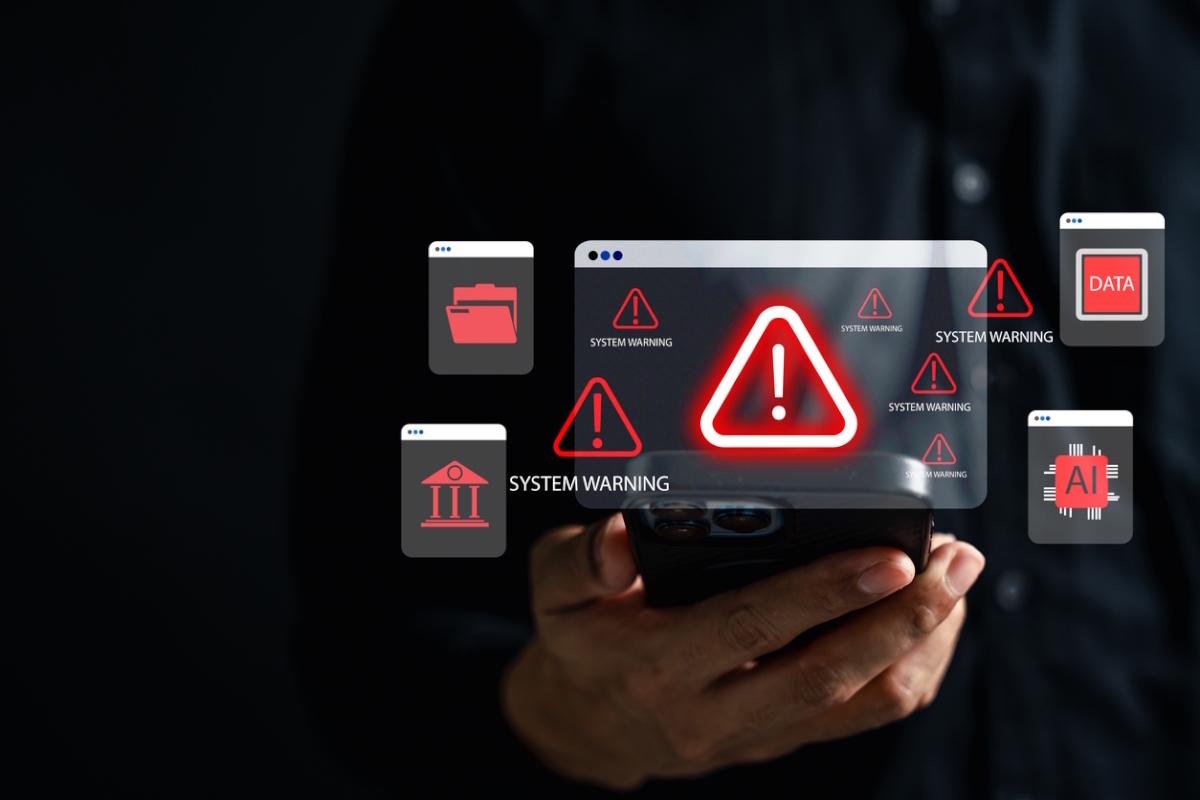
The biggest risk to modern businesses is not downtime across their websites, apps or internal systems. It is the moment everything looks like it’s working, but customers can’t buy, and teams can’t get work done.
Recent high-profile disruptions have put resilience back in focus and exposed how fragile performance can be under pressure. But outages are only part of the picture. The more important change is happening quietly, in how systems fail and how those failures are experienced.
As organisations become more dependent on digital systems to operate, even small performance issues carry greater consequences, and the margin for error has narrowed. Many of the most damaging issues do not register as “incidents”. Systems stay online. Dashboards show no alarms. Uptime metrics remain intact. Yet customers struggle to complete transactions, internal tools slow down, and teams lose time waiting for systems to respond.
This is the reliability blind spot, where systems appear available but are no longer usable in practice.
The failures businesses don’t see
Many digital issues no longer show up as outages, and there’s no clear breaking point. Instead, things just get slower. A checkout takes longer than it should. A dashboard lags. Internal tools respond, but with a noticeable delay.
Because nothing has technically “failed”, these issues rarely trigger alerts. They often sit within acceptable thresholds, making them easy to ignore or deprioritise. Over time, this normalises degraded performance. But these slowdowns directly affect how work gets done and how services are experienced. They introduce friction at key moments, particularly where speed and responsiveness matter most.
What starts as a minor delay becomes a persistent issue that shapes both user perception and operational efficiency.
Why uptime doesn’t tell the full story
Uptime has long been treated as the standard measure of reliability. If a system responds, it is considered operational. However, on its own, uptime is no longer a meaningful measure of reliability.
Today’s platforms depend on interconnected services, real-time data processing and dynamic demand. Under these conditions, systems rarely fail completely. Instead, they degrade under pressure.
Dependencies slow each other down. Response times increase. Critical processes become less reliable, even though the system remains technically available. This type of degradation often occurs at the worst possible moments, during peak traffic, complex transactions or periods of high internal usage. From a technical perspective, uptime remains intact. From a business perspective, performance is slipping.
Measuring availability alone no longer reflects whether a system is truly working.
What this looks like in practice
The impact becomes clear when demand is highest. A retailer drives traffic through a successful campaign, but a slower checkout reduces conversion at the final step. Customers do not see an error message; they simply abandon the process in favour of a faster alternative.
Over time, this erodes confidence, even if the platform is technically always available. Internally, this causes a ripple effect. Small delays across routine tasks add up over the course of a day. Teams spend more time waiting, retrying or working around issues, reducing overall productivity. These issues rarely trigger incident reports. But they have a direct and measurable impact on revenue, decision-making and customer trust.
Why businesses miss these problems
The challenge is not just technical. It is structural. Modern digital environments are built on multiple layers, infrastructure, APIs, third-party services and dynamic applications. Performance issues can emerge anywhere across this ecosystem without causing a full system failure.
At the same time, monitoring practices have not kept pace. Many tools are still designed to answer a binary question: is the system up or down? They provide limited visibility into how systems behave under real-world demand, how performance changes under load or where friction is introduced across user journeys.
As systems become more complex, this gap widens. Organisations can meet uptime targets while underlying performance issues continue to affect the business. Without deeper visibility, teams are often reacting to symptoms rather than identifying root causes.
What organisations should do differently
Reliability must now be defined by performance, not just availability. That starts with shifting focus from system status to user experience. The key question is no longer whether a system is up, but whether it is working as expected across essential customer journeys.
Organisations need clearer visibility into how systems behave under load, during peak demand and across complete transactions. Response times, completion rates and system stability should be treated as core metrics, not secondary ones.
This also requires a move from reactive monitoring to a more intelligent, proactive approach. By analysing patterns in real time, hosting platforms make it possible for businesses to highlight issues and guide teams towards resolution before issues escalate. Instead of reacting to problems after they surface, teams can address them while they are still small and manageable.
Equally important is reducing the operational burden. Many organisations do not have the time or resources to manually track performance across multiple layers of infrastructure and services. Smarter platforms simplify this by surfacing actionable insights, prioritising what matters and helping teams focus on outcomes rather than troubleshooting. Ultimately, this leads to fewer disruptions, faster resolution and more consistent performance, even as systems grow in complexity.
Reliability today is less about whether systems are online and more about whether they actually work when people need them. Customers don’t think about uptime; they notice when something feels slow, frustrating or unreliable, and they move on quickly. The same applies internally, where small delays quietly eat into productivity over time. The businesses that get ahead will be the ones that pay attention to these everyday experiences, not just the headline metrics, and fix issues before they become visible problems.
In practice, reliability has shifted from a technical measure to something much more tangible; it’s about delivering a smooth, dependable experience every time someone interacts with your business.
Suhaib Zaheer is SVP & GM, Managing Hosting at Cloudways
Main image courtesy of iStockPhoto.com and champpixs

Business Reporter Team
You may also like





Most Viewed


Winston House, 3rd Floor, Units 306-309, 2-4 Dollis Park, London, N3 1HF
23-29 Hendon Lane, London, N3 1RT

020 8349 4363

© 2025, Lyonsdown Limited. Business Reporter® is a registered trademark of Lyonsdown Ltd. VAT registration number: 830519543