



Disrupting digital noise
Candice Mayer-Gillet at Westfield Rise explains why consumer trust is moving offline
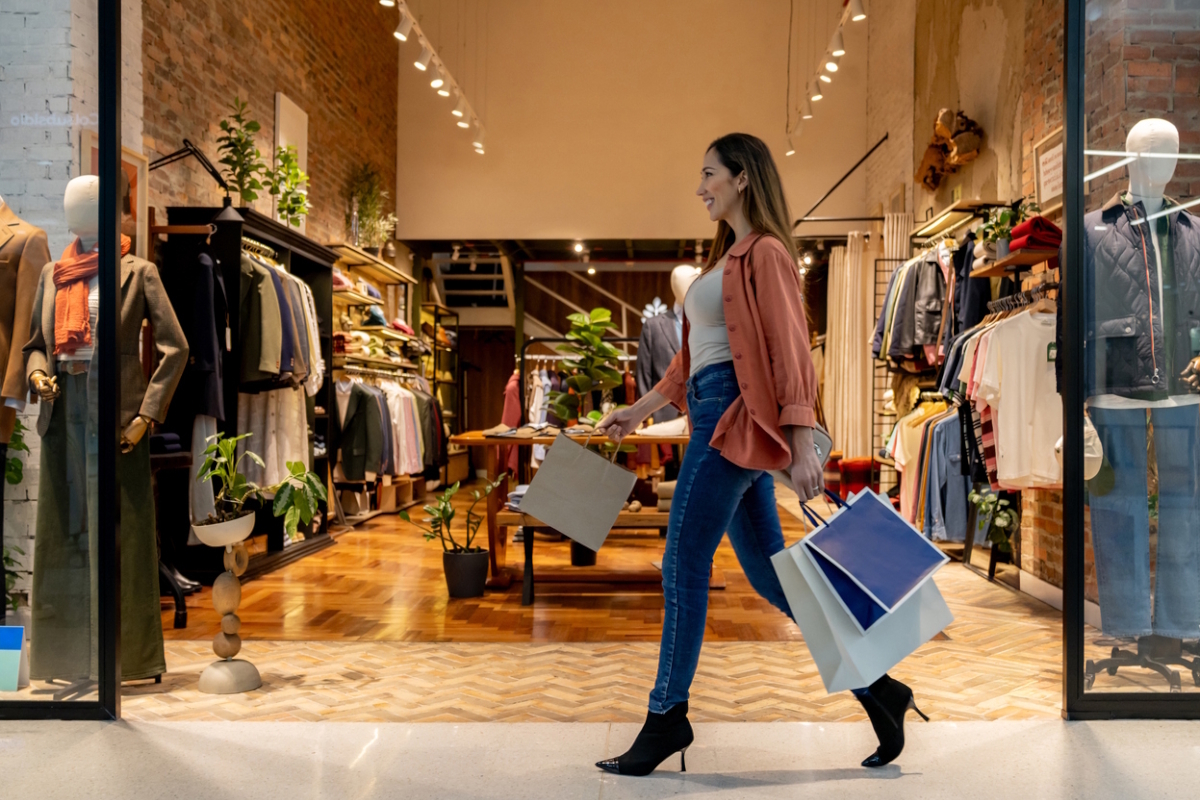
With 81% of Gen Z and 78% of millennials actively trying to reduce screen time, digital fatigue is hitting social media ROI. Brands are now being forced to rethink how they earn attention and trust in the physical world. Between feeds flooded with AI-generated content and influencers who curate a sense of FOMO, consumers are eager to take breaks from their screens and seek authentic, in-person experiences with brands.
This shift is particularly evident across digital advertising channels. Social media ads are experiencing a decline in revenue, with nearly 75% of performance marketers reporting lower returns on social media ad spend. It’s clear: digital fatigue and AI-saturated content are eroding the credibility of the content consumed on social media platforms.
The Growing Role of Physical Environments
Cinemas and retail destinations offer controlled, high‑quality environments that command attention. In turn, this gives brands space to deliver multi‑sensory, interactive experiences that feel authentic, rather than intrusive. Physical experiences drive engagement and credibility, boosting brand recall beyond what digital alone can achieve. When a brand shows up in a respected, curated space, consumers see it as more legitimate, strengthening trust.
In a world where attention is currency, physical spaces earn it through meaning, not noise. Our latest research with Lumen shows Attention Per Mille (APM) in Westfield Experiential delivers higher levels of attention than any other channel, rivalled only by Cinema. Westfield Rise’s proprietary data also shows that the average dwell time for experiential is over 1 minute and 39 seconds, proving that shopping centres remain powerful cultural stages where people discover, connect, and are genuinely entertained.
Warranted Disruption
Consumers aren’t necessarily rejecting advertising; they’re rejecting irrelevance. Our Lumen research also shows that Out-of-Home (OOH) D6 formats command 36% more attention than the average roadside D6, and 17% more than competitor-owned media formats. This marks a growing appetite for intentional, meaningful consumer interactions, rather than passive digital noise.
In 2026, the real opportunity for brands lies in “warranted disruption.” By interrupting consumers when they’re open to being engaged, interactions feel rewarding rather than intrusive. Physical spaces create this permission naturally by offering entertainment, inspiration, community, and discovery. When brands add value in these environments, they forge deeper emotional engagement and longer-lasting trust than any digital impression can deliver.
This year, warranted disruption was exemplified by the Wicked: For Good experience in Westfield London. The activation engaged with audiences at multiple touchpoints, using captivating immersive sets, sensory-led collaborations, and interactive photo opportunities. The experience had over 58,000 visitors within 6 weeks and reached 5.27m people on Westfield’s social platforms. By transforming casual passersby into active participants, the activation increased footfall and social engagement, creating memorable brand interactions that delivered impact beyond traditional advertising and marketing channels.
Adapt or Get Left Behind
Attention fatigue and scepticism have eroded trust in digital platforms that once dominated consumer engagement. With this shift in full force, brands are having to adapt swiftly to meet their consumers where trust still exists. In 2026, the brands that rely solely on digital reach risk diminishing returns and disengaging audiences.
The most effective campaigns will be the ones that combine digital scale with physical credibility. Creative that acknowledges its context and signals why it’s in this space will deliver stronger outcomes. Westfield Rise’s formats elevate a brand’s impact with noticeability and engagement that outperforms standard OOH. We found that when people encountered shopping centre ads before their related social ads, their brand recall of the social ads increased by over 117%, and their action intent rose by 29%, showcasing the powerful priming effect of Westfield for social campaigns.
Trust as a Definer
Trust has become the defining force in modern marketing. As digital efficiency declines, attention and authenticity rise in value, pushing brands to rethink where and how they show up. Physical spaces that offer genuine connection, from shopping centres to cinemas to cultural venues, are becoming central to strategy as consumers reward brands that engage meaningfully in the real world. This shift isn’t about abandoning digital but grounding it in experiences that matter. In 2026, trust is the currency of marketing. Brands that combine physical presence with digital scale will outperform those relying on screens alone.
Candice Mayer-Gillet is Managing Director at Westfield Rise
Main image courtesy of iStockPhoto.com and andresr

Business Reporter Team
You may also like





Most Viewed


Winston House, 3rd Floor, Units 306-309, 2-4 Dollis Park, London, N3 1HF
23-29 Hendon Lane, London, N3 1RT

020 8349 4363

© 2025, Lyonsdown Limited. Business Reporter® is a registered trademark of Lyonsdown Ltd. VAT registration number: 830519543