



Building true resilience into retail
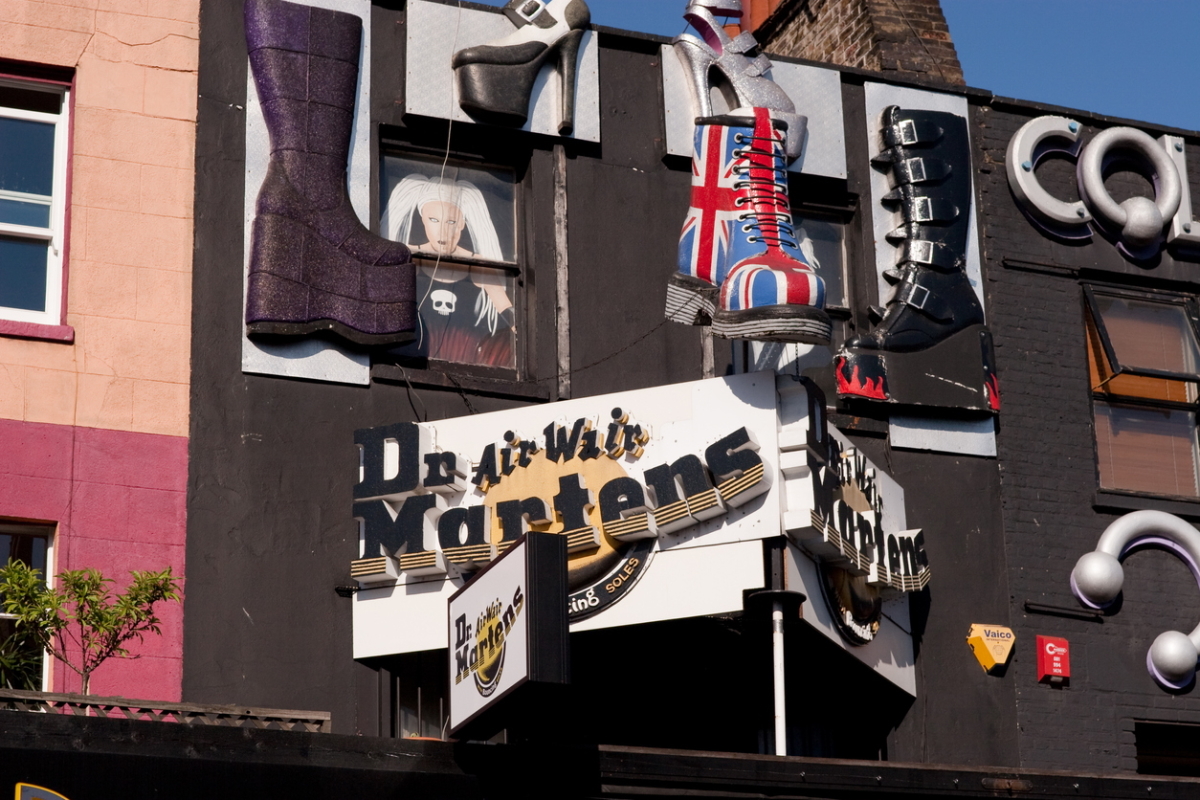
Sam Woodcock at 11:11 Systems explains the need for resilience in retail and describes how leading footwear brand Dr. Martens built resilience into its cloud services
When it comes to digital transformation, one industry that has certainly witnessed its many benefits is the retail sector.
Alongside the digitisation of business applications and internal processes, retail organisations have seen much of their in-store consumer-facing business move online. Likewise, those organisations that prioritise a high-performing, consumer-friendly online presence are seeing an exponential growth in e-commerce sales, which grew two to five times faster than before the pandemic.
Although the trend towards digital transformation has been the talk of C-Suites for some time now, the COVID-19 pandemic triggered a surge in online buying and accelerated the importance of a strong online presence.
Modern retail businesses had to adapt, not just by enabling e-commerce capabilities and expanding delivery fleets and infrastructure, but also by ensuring that their IT networks were built with high-application performance, network availability, and data security in mind.
In October 2021, UK supermarket giant, Tesco, was in the midst of an e-commerce spike that saw 1.3 million online orders per week when it suffered an attempted cyber attack. The company recovered quickly, but the incident took down the company’s website and app for nearly 48 hours, which resulted in huge amounts of potential revenue loss and impacted its loyal buyers.
Commentators at the time highlighted that a similar downtime before the pandemic would have had significantly less impact, exemplifying the growing need for the right IT strategy in retail and a new phrase became central in the boardrooms of modern retail organisations: digital resiliency.
But what does digital resilience mean for the retail sector?
Network traffic control, readiness and scalability
More often than not, short-term downtime can happen outside of a malicious cyber incident. Particularly in industries susceptible to spike dates, like retail, unexpected surges in network traffic will quickly overload ill-prepared applications and servers.
Businesses in retail need to be prepared, not just for the predictable surges like Black Friday and the holiday season, but for unpredictable spikes as well: a product unexpectedly goes viral, or a successful celebrity collaboration creates a surge in online traffic or another pandemic hits and forces customers online.
All of these activities could trigger network traffic that the day-to-day IT infrastructure might not be able to handle. Scalability in applications will go a long way towards improving traffic readiness so that businesses can capitalise on these surges, rather than lose out.
Data protection and security
Digital resiliency is more than network uptime, and lost revenue isn’t the only price to pay. The retail industry handles a large amount of highly personal information, including payment details. This makes the sector a lucrative target for cyber criminals.
Without a strong data security and protection strategy, retail organisations could expose their customers’ personal data to serious risk. They could also find themselves suffering massive fines and facing damage to the organisation’s reputation in the event of a cyber incident.
Although downtime can cause immediate revenue losses, the regulatory and reputational impact of mass customer data loss can have a ripple effect that causes real financial damage.
Flexible, secure infrastructure
Growing businesses, particularly those expanding geographically, need to ensure that their IT infrastructure is flexible and secure enough to maintain operations in their expanded ecosystem. This calls for one of the most important ingredients in a digital transformation strategy: cloud migration.
Not only can cloud storage protect essential business data from physical disasters such as a fire, flood, or power outage, but it also fosters remote collaboration, which has become a critical element in the last few years.
Ensuring resilience: Dr. Marten’s airtight strategy
One great example is retailer, Dr. Martens. With 158 stores and a direct-to-consumer business which now includes 13 websites, the retailer is a truly modern, global fashion brand. Like many organisations, it turned to the cloud as part of its digital transformation strategy, seeking scalability and robust data retention and protection that would meet the company’s rapidly growing business data needs.
Dan Morgan, Global Head of Cloud and Infrastructure at Dr. Martens, described the planned migration: “Over time, our IT strategy is to migrate from traditional on-premises infrastructure to cloud infrastructure, so we can benefit from increased resilience, increased performance capacity and remove the need for expensive hardware refreshes.”
In today’s ever-shifting IT landscape, businesses, especially those with the global footprint like Dr. Martens, simply cannot afford to be caught off guard by vulnerabilities. That’s why, when evaluating potential cloud service providers, Morgan prioritised the ability to ensure resilience for Dr. Martens and its global network — in the face of hardware failure, increasing cyber threats, IT skills shortages, supply-chain delays and any other would-be challenges.
Like many other unique and rapidly growing businesses, Dr. Martens had to ensure that the cloud computing services it used could be easily integrated into its existing estate. In addition they had to provide compliance with appropriate standards and regulations. As a highly recognisable brand, Dr. Martens combined the many benefits of cloud storage with the reassurance of an air-gapped cloud backup and disaster recovery strategy.
Now equipped with seamless network uptime, robust data protection and the infrastructure to recover operations in the event of a cyber incident, the company is a prime example to follow in the retail sector’s pursuit of true digital resiliency.
Sam Woodcock is Senior Director of Cloud Strategy at 11:11 Systems
Main image courtesy of iStockPhoto.com

Business Reporter Team
You may also like






Most Viewed


Winston House, 3rd Floor, Units 306-309, 2-4 Dollis Park, London, N3 1HF
23-29 Hendon Lane, London, N3 1RT

020 8349 4363

© 2025, Lyonsdown Limited. Business Reporter® is a registered trademark of Lyonsdown Ltd. VAT registration number: 830519543