



Open Banking and the future of payments
Tamian Godfrey at Payit by NatWest considers the value of Open Banking to businesses looking to improve payments efficiency


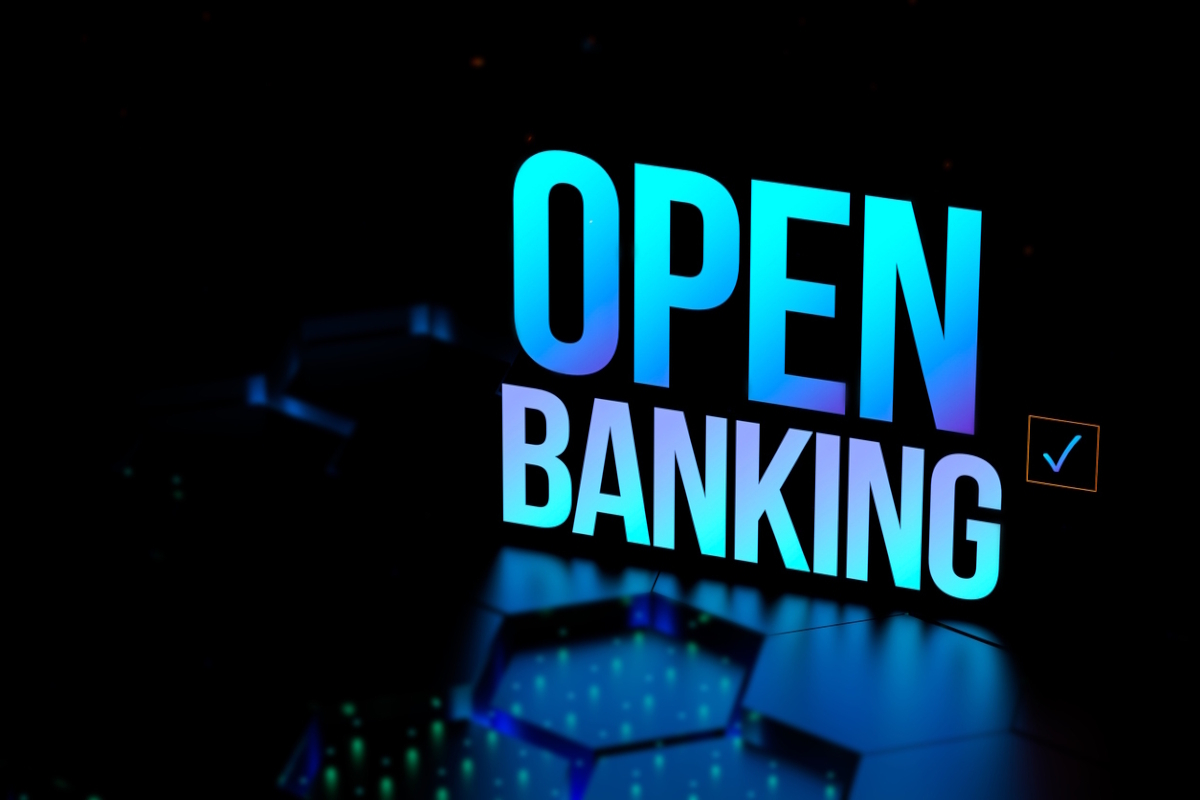
Making purchases online is designed to be quicker and easier than conducting the same transactions in-person. We’ve come to expect that the whole process will be smooth and efficient, including online payment. Yet for many customers, the process feels anything but simple. Manual entry of long card numbers, double-checking sort codes and waiting for authorisations can create a frustrating experience for the customer. For businesses, that friction carries quite the cost, often lowering conversion rates, causing abandoned baskets and operational inefficiencies tied to outdated payment systems.
This is where Open Banking is proving its value. It alleviates stress for both the business and customers, creating a smooth payment process. And for the business, a strategic advantage - especially considering that verified data is now part of the package.
Efficiency without compromise
At its core, Open Banking allows for speed and certainty, replacing the traditional error-prone processes with direct account to account payments. For businesses, this significantly reduces risk of misdirected payments with confirmation of payee and instant account verification. Providing peace of mind that your money is going to the right place and quickly, without having to double or triple check.
But speed is not the only benefit at play. The real advantage is the precision Open Banking enables. By removing manual data entry, it reduces human error and eases cognitive load by eliminating repetitive entry and the need for manual document sourcing. Customers no longer need to share sensitive card details with third parties, lowering risk of fraud and increasing trust. From a business perspective, this creates a more reliable transaction environment, and this directly impacts conversion rates.
When checkout becomes seamless and customers feel confident their payment will go through correctly, without delay, likelihood of purchase increases. Open Banking holds benefits for both the customer and the business, always ensuring correct and efficient payments. It’s not just a backend upgrade - it’s ultimately a driver for business growth.
Transparency you can trust
Equally important is the consensual data exchange that underpins Open Banking. Customers authorise access through their own banking apps, maintaining full visibility and control over what is shared.
For merchants, access to verified customer data is a powerful tool. Instead of relying on self-reported or potentially inaccurate information, businesses can instantly access verified customer data, directly from their bank. When using Account Information Services (AIS), customer journeys are further protected by end-to-end encryptions and active customer consent, protecting against fraud and unauthorised access. It reduces friction in onboarding processes and enables secure sharing of financial data directly from bank accounts.
Premium AIS, an automated tool that securely scans a customer’s bank transactions and organises them into a simple financial report (for KYC or I&E journeys), takes away the lengthy process of accessing accurate financial information from customers. It provides access to direct and consented real-time income and spending summaries from customers’ bank accounts. Meaning businesses can make faster and better-informed decisions and improve risk management.
Your most strategic asset
This data access is particularly valuable in a range of situations and sectors where understanding a customer’s financial position is critical, for instance, mortgage lenders to a business salary advance scheme. It can also help establish vulnerable customers and potentially lead to greater support. The data is not just more reliable; it is more actionable.
This shift to informed decision-making is one of the biggest advantages of Open Banking, enabling more inclusive financial services. Instead of operating in the dark, businesses can act on real-time insights. This not only protects revenue but also supports more ethical customer relationships. Identifying unusual activity or financial distress is no longer retrospective and it becomes part of the transaction journey. This keeps both business and customers safe and allows for fairer and accurate lending decisions compared to traditional credit bureau checks which can be outdated.
While the framework itself offers clear benefits, the quality of data and insights can vary between providers. For businesses, choosing a partner is not just about speed or cost efficiency but the strength of the data. Inaccurate or incomplete data can be more damaging than no data at all, leading to uninformed and poor decisions.
Stay ahead of the curve
Ultimately, Open Banking enables payments to become faster, more secure, and, most crucially, smarter.
For businesses willing to embrace it, the opportunity is clear. By integrating Open Banking into their operations, they can streamline processes, improve conversion rates, and unlock true insights into their customers.
Tamian Godfrey is Market Development Lead at Payit by NatWest, a comprehensive, bank-grade platform combining payments and data capabilities, backed by strong support and trust from NatWest.
Main image courtesy of iStockPhoto.com and bin kontan

Business Reporter Team
You may also like




Most Viewed


Winston House, 3rd Floor, Units 306-309, 2-4 Dollis Park, London, N3 1HF
23-29 Hendon Lane, London, N3 1RT

020 8349 4363

© 2025, Lyonsdown Limited. Business Reporter® is a registered trademark of Lyonsdown Ltd. VAT registration number: 830519543