



MTD: ending the January tax scramble
Making Tax Digital could end the January tax scramble for good, argues Richard Creedon at Intuit


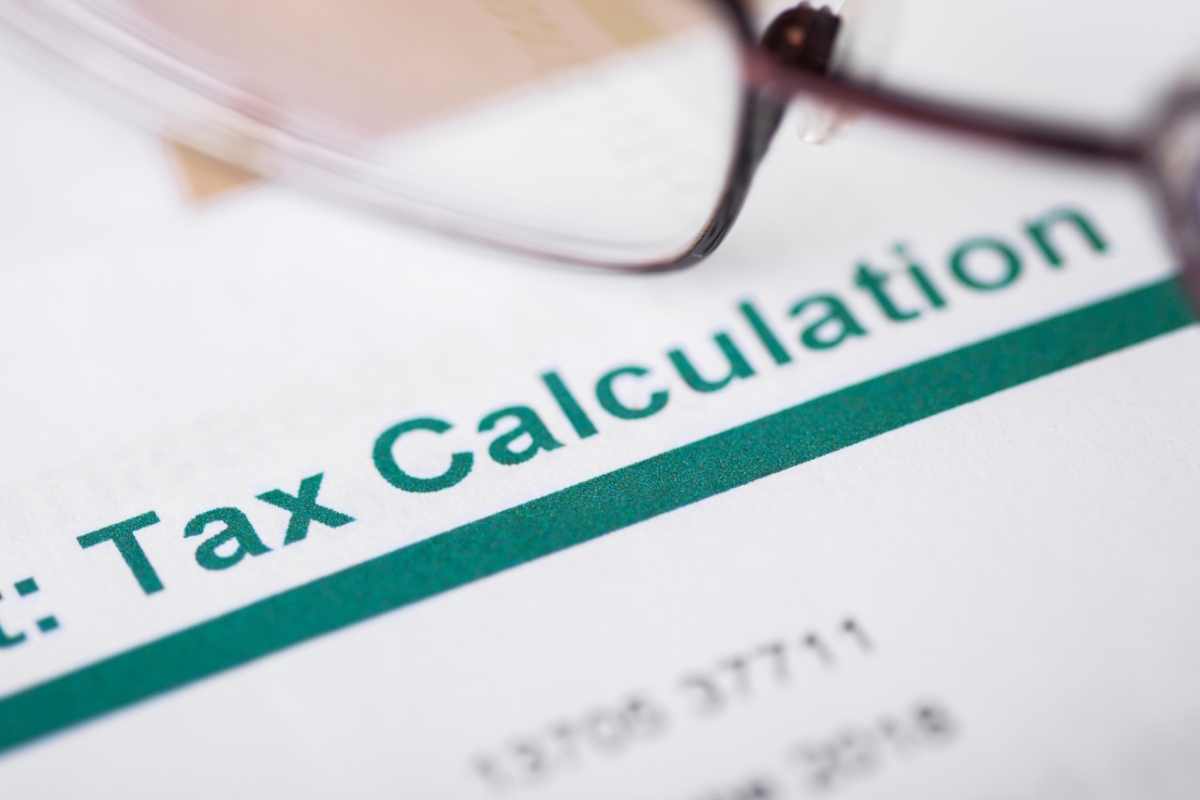
For many sole traders and landlords, income tax filing has long been a once-a-year task. Records are gathered, receipts are chased, and accounts are reviewed in the weeks leading up to the January deadline. It is a familiar cycle: a final push after the festive period, often under pressure and with little room for error.
Recent research from Intuit QuickBooks highlights how entrenched this pattern has become. Around 83% of self-assessment filers complete their income tax returns in December or January, with nearly a third doing so over the Christmas period. In many cases, financial admin has been deferred throughout the year, creating a backlog that must be resolved in a matter of weeks.
Over time, this has come to feel like a normal part of being self-employed. In reality, it is a by-product of retrospective, manual processes rather than an unavoidable feature of the income tax system.
The problem with the January model
When financial record-keeping is left until year-end, activity compresses into a short window. The strain this creates is not just anecdotal. More than half of sole traders report spending at least 11 hours a year on tax-related tasks, with common challenges including managing income and expenses accurately, navigating HMRC systems, and locating missing documentation. These frictions reflect a system built around looking backwards rather than maintaining an up-to-date view.
That is precisely what Making Tax Digital (MTD) for Income Tax is designed to change. In effect as of April 2026, MTD for Income Tax will now require self-employed individuals and landlords with qualifying income over £50,000 to keep digital records and submit quarterly updates, followed by a final declaration.
This shifts financial reporting from a single annual event to a more continuous process. Instead of building up a year’s worth of work, financial information is recorded and submitted in smaller, more manageable increments throughout the year.
A better approach to self-assessment
Breaking the cycle of annual reporting does more than redistribute workload. It changes how businesses engage with their finances. Quarterly updates encourage regular record-keeping, which reduces the need for last-minute reconciliation and lowers the risk of errors.
It also introduces a more consistent level of visibility. Rather than relying on hindsight at year end, businesses are able to maintain a clearer, more current understanding of their financial position.
This shift is not only procedural. Evidence from HMRC’s analysis of Making Tax Digital for VAT shows that businesses using fully functional, MTD-compatible software save between 26 and 40 hours a year on their business finances and record keeping. financial admin and record-keeping. That is equivalent to several working days returned to the business annually, time which can be redirected towards growth, hiring, or strategy.
The added value of going digital
The implications extend beyond compliance. Digital record-keeping reduces manual input, improves accuracy, and makes financial information available in real time. Instead of reviewing performance retrospectively, businesses can monitor income, expenses, and liabilities as they arise.
This shift supports better decision-making. With clearer insight into cash flow and income tax obligations, businesses are less likely to face unexpected bills and are better equipped to plan ahead. It can also shift the relationship with accountants towards more continuous and proactive support, rather than a single annual exchange.
More generally, wider adoption of digital tools and AI is already reshaping how small businesses operate. Around 30% report that digital tools make financial management more efficient for every hour spent, while 40% say AI is saving them five to eight hours a week across their operations. In the context of tax, this can include automating data capture, identifying discrepancies, and reducing the risk of delays.
MTD may make digital software unavoidable, but for many businesses, it acts as a catalyst for broader operational improvement.
Preparedness for the shift
For some, the move to quarterly reporting may feel unfamiliar. That concern is understandable, particularly where existing processes are well established. However, current behaviour suggests the transition may be less disruptive than anticipated
Around 62% of sole traders already update their financial records at least weekly, indicating that many of the habits required for MTD are already in place. Preparedness is also relatively high. According to Intuit QuickBooks research, 74% of those earning above the £50,000 threshold say they feel ready for the change. Adoption is already underway, with 38% using compatible software, 30% having selected a solution, and a further 22% exploring their options.
For many, MTD may formalise existing behaviours rather than introduce entirely new ones.
A shift worth making
Making Tax Digital is often framed primarily as a compliance requirement. While that is accurate, it also addresses a long-standing inefficiency in how tax is managed.
The January tax scramble has persisted because the system allowed work to accumulate and visibility to be delayed. By introducing regular reporting and digital record-keeping, MTD provides a route towards a more consistent and controlled approach to managing finances.
The more significant shift is not simply how often income tax is filed, but how often businesses have a clear view of their financial position. For sole traders and landlords, this has the potential to reduce pressure, improve decision-making, and create time that can be reinvested where it matters most - throughout the year, rather than at its end.
Richard Creedon is Product Compliance Manager, EMEA at Intuit
Main image courtesy of iStockPhoto.com and DenisMArt

Business Reporter Team
You may also like





Most Viewed


Winston House, 3rd Floor, Units 306-309, 2-4 Dollis Park, London, N3 1HF
23-29 Hendon Lane, London, N3 1RT

020 8349 4363

© 2025, Lyonsdown Limited. Business Reporter® is a registered trademark of Lyonsdown Ltd. VAT registration number: 830519543