



Deal-ready tax strategies
Dougie Todd and Stephen Mason at HaysMac explain what a deal-ready tax strategy looks like in practice


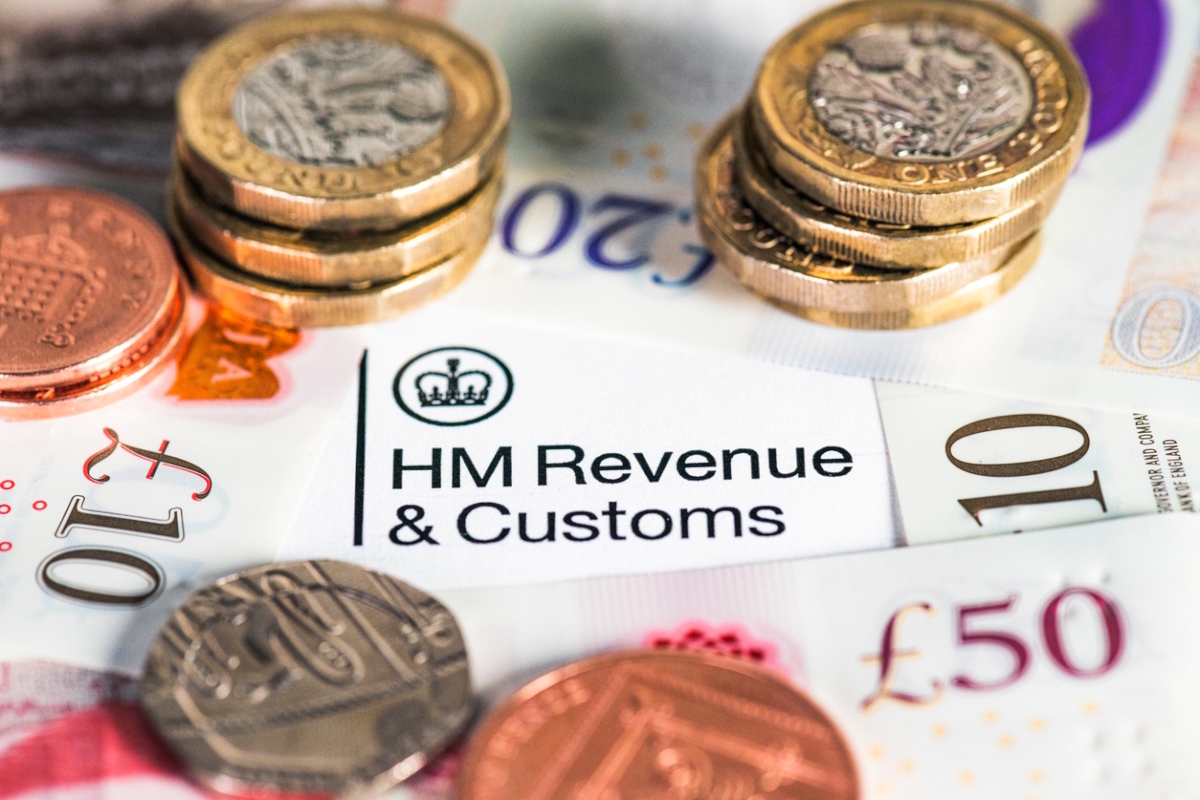
All too often, tax only enters a transaction once due diligence begins. By that stage, sellers are already on the back foot. That may be uncomfortable to hear, but it is increasingly true.
Too many mergers, acquisitions and disposals still treat tax as a technical hurdle to clear after the “real” deal has been agreed. Valuation first. Structure second. Tax later. In today’s deal environment, that sequence is not just outdated, it is dangerous.
Tax rarely stops a transaction overnight. Instead, it leaks value quietly, introduces uncertainty at critical moments and hands leverage to the other side. CFOs feel this most acutely because, by the time tax becomes visible, they are already managing deal momentum, funding risk and investor expectations.
The irony is that most deal‑critical tax issues are entirely predictable. When tax problems surface mid‑deal, they are almost never new. They are historic positions that have been tolerated because the business was growing and no one had a reason to stress‑test them.
A familiar sell‑side scenario illustrates the point. A successful, founder‑led UK business enters an exclusive sale process at an attractive headline valuation. The commercial case stacks up and momentum is strong. Then tax diligence starts. The buyer’s advisers identify historic VAT exposures linked to overseas expansion, a share incentive plan that was never properly documented, and uncertainty over whether founders actually qualify for expected capital gains relief. None of the issues are fatal. All of them have existed for years. But together, they introduce risk. The buyer responds with price chips, escrow demands and deferred consideration. The headline valuation survives. The cash outcome does not.
Buyers face the same dynamic from the opposite side. A private equity‑backed group acquires a fast‑growing target under tight timelines. The structure is agreed quickly to secure exclusivity. Debt is put in place. Earn‑outs bridge valuation gaps. Only later does tax modelling reveal restricted interest deductibility, underestimated stamp taxes on property assets, earn‑out mechanics that trigger tax before cash is received and a structure that restricts VAT recovery on deal costs. None of this changes the strategic rationale for the deal, but it materially changes returns. By the time the issues are identified, restructuring is impractical and value leakage has become locked in.
None of this is exotic. It is simply what happens when tax is treated as a downstream problem.
Once a transaction is live, tax becomes defensive. Every unresolved issue is framed as risk, and risk is priced aggressively. At that point, CFOs are no longer making strategic choices. They are managing damage.
Address the same issues earlier and the dynamic flips. There is time to restructure, document, remodel or recalibrate expectations before scrutiny intensifies. Optionality exists. Negotiations feel controlled rather than reactive.
This is why timing matters far more than technical detail. Getting to the right answer too late is rarely good enough.
Tax does not suddenly become a problem during a deal, it becomes visible. By then, it is usually too late to fix without giving something up. CFOs who address tax early are not being cautious; they are protecting leverage.
The strongest transactions are not those with no tax complexity. They are the ones where tax complexity is understood, documented and priced with confidence.
A clear tax position shortens due diligence, limits price chips and reassures buyers and investors that management has command of the detail. In competitive processes, that credibility matters more than many CFOs realise. Buyers hold price when they trust what they see.
There is also upside. Unclaimed reliefs, inefficient structures and poorly modelled consideration mechanics can materially affect post‑tax proceeds and valuation. Identified early, tax stops being a defensive conversation and becomes part of the value story.
Yet many CFOs still struggle to act early, not because they disagree, but because operating reality gets in the way. Finance teams are lean. Transactions are episodic. There is rarely an in‑house tax specialist with the time or mandate to step back and take a strategic view well ahead of a deal.
That gap is becoming harder to justify. The role of the CFO in transactions has changed. Today’s CFO is not just the owner of the numbers, but the face of deal credibility. Tax readiness now sits squarely within that responsibility.
Ignoring tax until diligence is no longer neutral. It is a decision, one that quietly weakens negotiating power and reduces control. Handled early, tax gives CFOs confidence, optionality and leverage. Left late, it becomes an avoidable distraction that erodes value at precisely the moment clarity matters most.
For any business even contemplating a merger, acquisition or disposal, the message is blunt: if tax is not already on the agenda, you are not as deal‑ready as you think.
Dougie Todd and Stephen Mason are Partners at HaysMac
Main image courtesy of iStockPhoto.com and georgeclerk

Business Reporter Team
You may also like
Related Articles





Most Viewed


Winston House, 3rd Floor, Units 306-309, 2-4 Dollis Park, London, N3 1HF
23-29 Hendon Lane, London, N3 1RT

020 8349 4363

© 2025, Lyonsdown Limited. Business Reporter® is a registered trademark of Lyonsdown Ltd. VAT registration number: 830519543