



Who will win in a self-driving future?
As autonomous vehicles scale commercially, the battle to dominate the AI “driver” market is just beginning
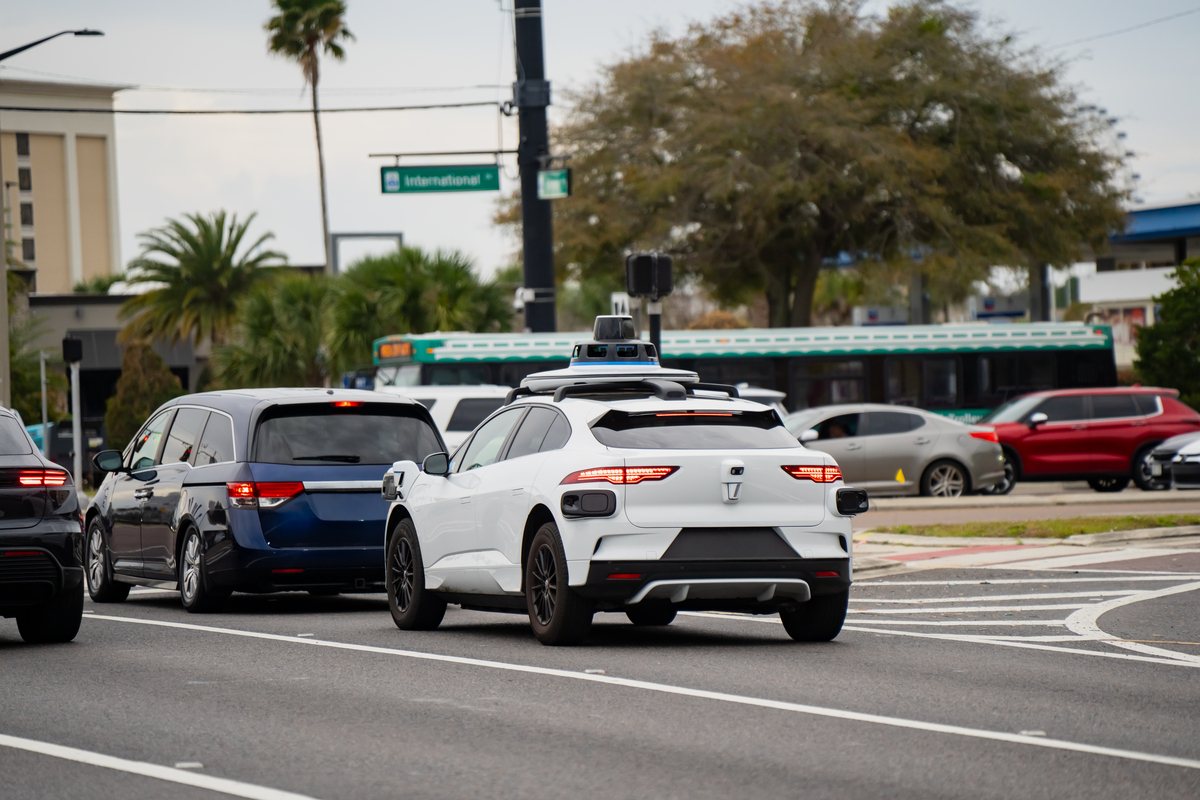
The autonomous vehicle industry has reached a critical inflection point. After two decades of hype and setbacks, fully driverless vehicles now operate commercially in real-world environments, generating paying demand.
Yet a fundamental question remains unanswered: how will the market for autonomous vehicle “drivers” – the core AI and software enabling autonomy – be structured in the years ahead? Will it consolidate around a handful of dominant platforms? Or will multiple competitors thrive across different applications and geographies? The answer will reshape strategies across the entire mobility ecosystem, from original equipment manufacturers (OEMs) to logistics companies to city planners.
In the spring of 2004, 15 self-driving vehicles began their attempts to navigate a 142-mile desert course outside of Barstow, California as part of the inaugural DARPA Grand Challenge. Although none finished the race, the competition sparked innovation and offered an inspiring glimpse into the future of autonomous mobility.
Over 20 years later, autonomous vehicles have made the leap from science project to commercially viable technology. While the journey has been uneven, we have now reached a critical milestone: a small number of players now operate fully driverless vehicles in real-world environments, generating paying demand.
As autonomy matures, a key question facing industry leaders is how the market for autonomous vehicle drivers – the core AI and software enabling autonomy – will be structured. Will it consolidate around a handful of dominant platforms, or remain fragmented across multiple competitors?
Four critical questions
There are many forces shaping the future market structure of autonomous mobility, drawing on recent technological advances, evolving business models and the incentives of key market participants. We examine four critical questions:
- Will the barriers to entry erode with the speed and magnitude necessary to broaden the competitive base?
- How significant are the scale benefits, and will they drive consolidation?
- How easily transferable are L4 technology stacks across use cases, vehicle types and operational design domains (ODDs)?
- How will the structural inertia of current mobility systems and the incentives of incumbents shape the evolution of the AV driver market?
What to watch: key signposts
The autonomous vehicle market stands at a crossroads. The forces shaping its future are multifaceted – technological democratisation, incumbent incentives, regulatory fragmentation and global competition converging to create an uncertain outcome. The real question is not whether autonomy will transform mobility, but how the competitive landscape will evolve as it does.
By analysing these dimensions and monitoring key signposts, we aim to provide a perspective on where the market is headed – and what it means for stakeholders across the mobility value chain.
Download the full article to explore these four critical questions in depth, understand the key signposts that will signal market direction and discover what this uncertain future means for your strategy.
Authors:
Isaac Chan, Senior Partner, Roland Berger
Konstantin Shirokinskiy, Partner, Roland Berger
Charlie Pope, Principal, Roland Berger

Business Reporter Team
You may also like






Most Viewed


Winston House, 3rd Floor, Units 306-309, 2-4 Dollis Park, London, N3 1HF
23-29 Hendon Lane, London, N3 1RT

020 8349 4363

© 2025, Lyonsdown Limited. Business Reporter® is a registered trademark of Lyonsdown Ltd. VAT registration number: 830519543