



The ROI of consistency: how performance data drives organisational growth
New data reveals how the most resilient organisations replace rigid annual reviews with a unified, data-driven feedback culture

The “Great Reset” of the modern workplace has left HR leaders and executives grappling with a fundamental question: how do you maintain high performance in an era of distributed teams and shifting expectations?
Recent data from over 2,000 organisations using PerformYard AI-powered performance management platform suggests the answer isn’t more oversight – it’s better process architecture. An analysis of habits of high-growth companies reveals a blueprint for how leaders turn individual performance into organisational momentum.
The power of the qualitative sweet spot
Some people think running efficient performance reviews means doing short employee reviews. However, PerformYard’s 2026 State of Performance Management Report shows that engagement is actually driven by the depth of the conversation. Review forms that include three to five long-text questions see a 27 per cent higher completion rate than those relying strictly on multi-choice answers or rating scales.
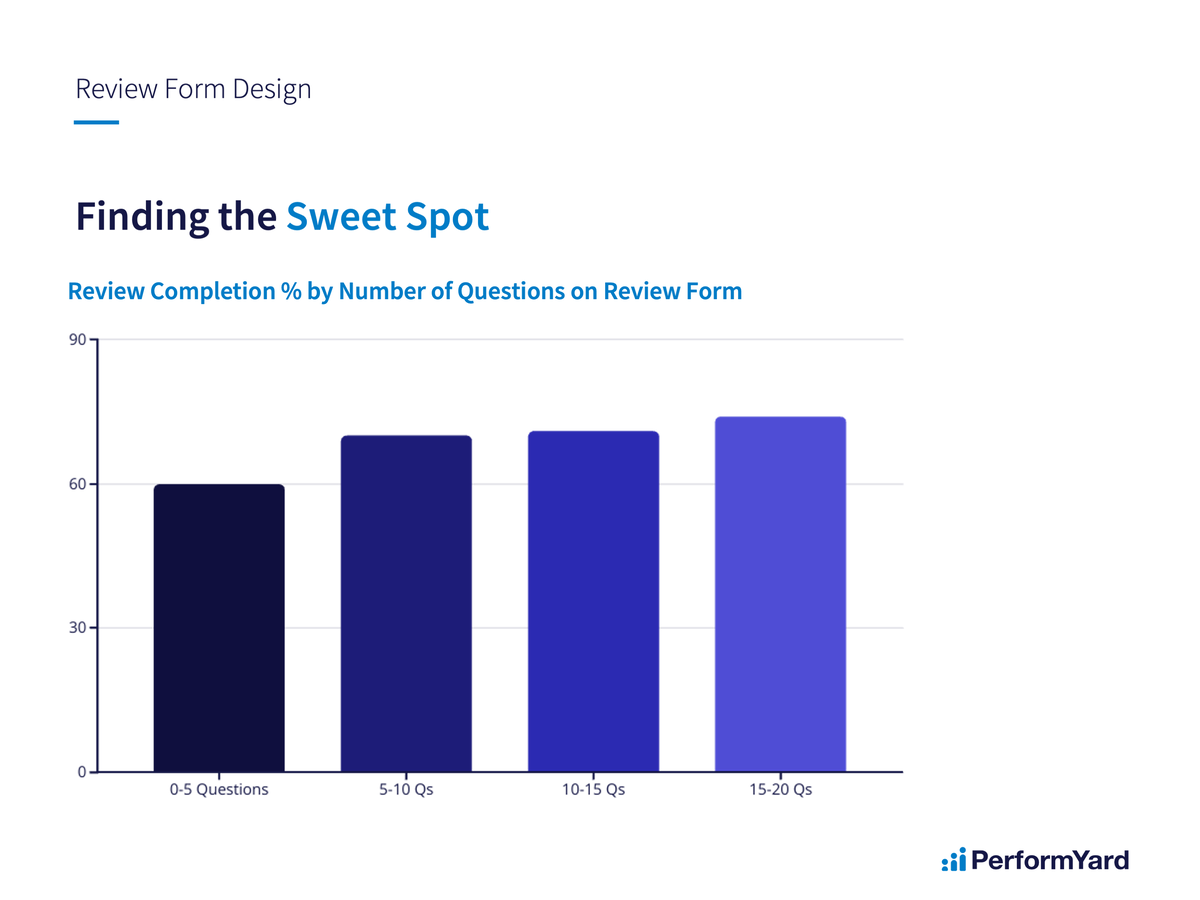
This sweet spot suggests that employees are more motivated to complete reviews when they feel the system allows for nuance and personal narrative. For leadership, this qualitative data provides the context they need to turn a review into a meaningful coaching moment.
Designing for managerial success
One of the most significant obstacles to a high-performance culture is “managerial tax”. PerformYard research found that managers’ span of control has a direct, measurable impact on team sentiment. For every five additional direct reports a manager takes on, eNPS (employee net promoter score) typically drops by 2 per cent.
The top-performing companies using PerformYard counteract this by streamlining the administrative burden. By year three of using a dedicated performance toolkit, organisations see a 28 per cent reduction in the time it takes to complete review cycles. This isn’t just a win for HR; it’s a reallocation of time back to high-value activities like one-to-one coaching and planning.
The compound interest of performance
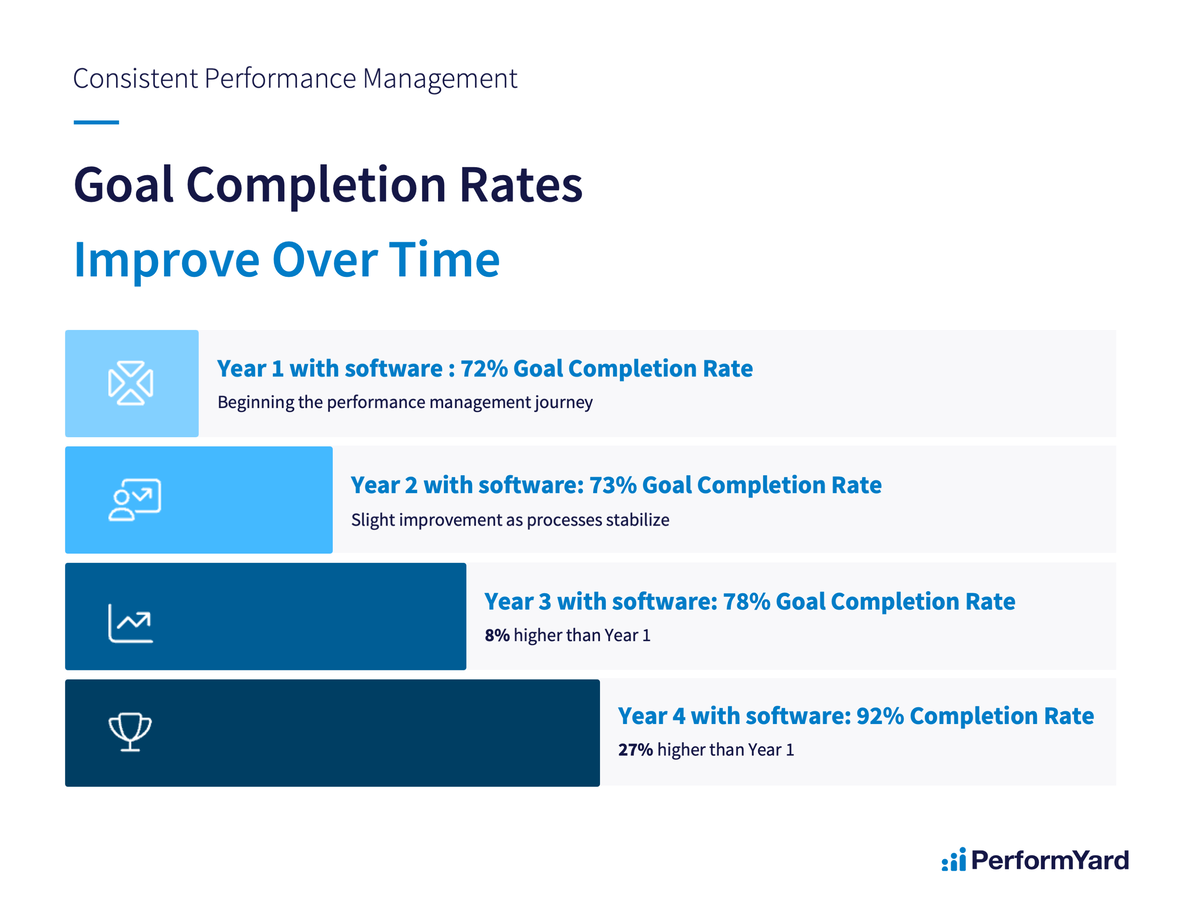
Performance management is rarely a quick fix. The data shows a distinct compounding effect for companies that commit to a consistent process over time.
- Goal mastery: organisations in their fourth year of using performance management software see 60 per cent higher goal completion rates than those in their first year
- Cultural stability: these long-term software users report a 7 per cent increase in overall employee satisfaction
From process to strategy
The most successful organisations treat performance management as a unified loop of reviews, one-to-ones and engagement insights. Companies that stick to these data-backed benchmarks can move away from “doing reviews” and towards building a culture of continuous improvement.
Download the full 2026 State of Performance Management Report. Access the complete dataset from thousands of organizations using PerformYard and discover the benchmarks you need to scale your culture effectively

Business Reporter Team
You may also like






Most Viewed


Winston House, 3rd Floor, Units 306-309, 2-4 Dollis Park, London, N3 1HF
23-29 Hendon Lane, London, N3 1RT

020 8349 4363

© 2025, Lyonsdown Limited. Business Reporter® is a registered trademark of Lyonsdown Ltd. VAT registration number: 830519543